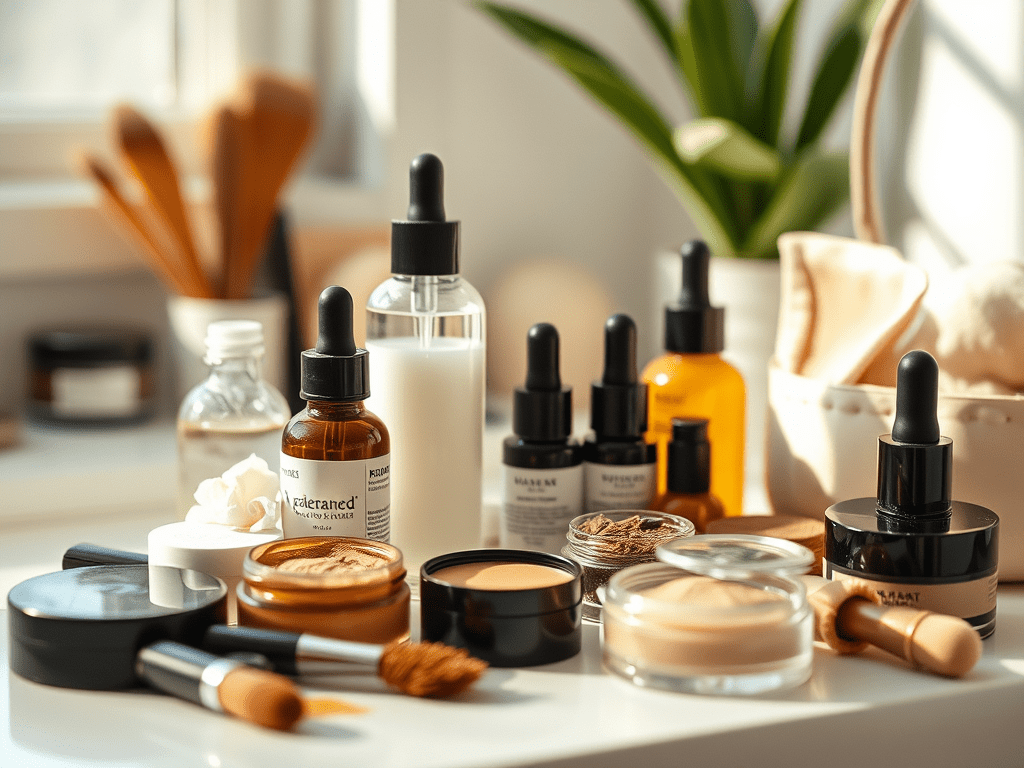
In today’s beauty-driven world, makeup has become essential to many people’s daily routines. Makeup allows individuals to enhance their features, boost confidence, and express their style. While conventional makeup products have dominated the market for decades, there is a growing movement toward natural makeup. Consumers are increasingly conscious of the ingredients in their products, leading to a shift in the beauty industry. Natural makeup, free from harmful chemicals and focused on natural ingredients, is gaining popularity for its numerous benefits to beauty and health. This article will explore the importance of natural makeup, its ingredients, and how it contributes to overall health.
The Rise of Natural Makeup
The natural makeup trend is more than just a fleeting fashion; it’s a response to the growing awareness about the potential harm caused by synthetic chemicals commonly found in conventional cosmetics. Traditional makeup products often contain parabens, phthalates, sulfates, and synthetic fragrances. These chemicals have been linked to various health issues, including hormone disruption, allergic reactions, and even certain cancers. As a result, many consumers are seeking alternatives that are safe for their skin and align with their values, such as sustainability and cruelty-free practices.
Natural makeup products are formulated using ingredients derived from plants, minerals, and other natural sources. These ingredients are often gentler on the skin and less likely to cause irritation or allergic reactions. Additionally, natural makeup brands often prioritize environmentally friendly practices, using sustainable packaging, and avoiding animal testing, making them an attractive option for eco-conscious consumers. There are a number of excellent, natural makeup producers like Gaya (sponsored), which prides itself on vegan and clean beauty.
Key Ingredients in Natural Makeup
Natural makeup products rely on a range of botanical and mineral ingredients that provide beautiful results and skin-nourishing benefits. Here are some of the most common natural ingredients found in these products:
- Plant Oils: Natural makeup formulations frequently use oils like jojoba, coconut, and argan. These oils are rich in vitamins and essential fatty acids, which help to hydrate and nourish the skin. They create a smooth, dewy finish while protecting the skin from environmental stressors.
- Shea Butter: Derived from the nuts of the African shea tree, shea butter is a popular ingredient in natural makeup products. It is deeply moisturizing and contains antioxidants that help combat signs of aging. Shea butter is often used in lipsticks, foundations, and moisturizers to provide a smooth texture and long-lasting hydration.
- Mineral Pigments: Instead of using synthetic dyes, natural makeup brands often rely on minerals like iron oxides, titanium dioxide, and zinc oxide for color. These minerals provide vibrant, long-lasting pigmentation and are non-comedogenic, meaning they won’t clog pores. Additionally, zinc oxide and titanium dioxide offer sun protection, making them ideal for products like foundation and sunscreen.
- Aloe Vera: Known for its soothing properties, aloe vera is a common ingredient in natural makeup and skincare products. It helps to calm irritated skin, reduce redness, and provide hydration. Aloe vera is often used in primers, foundations, and setting sprays to create a smooth, even base while keeping the skin comfortable.
- Green Tea Extract: Green tea is packed with antioxidants, which help protect the skin from free radicals and environmental damage. In natural makeup, green tea extract reduces inflammation and soothes sensitive skin. It’s a great ingredient for acne-prone or easily irritated skin.
- Beeswax: A natural emollient, beeswax helps to lock in moisture and create a protective barrier on the skin. It is commonly used in natural lipsticks, mascaras, and eyebrow products to provide long-lasting wear without synthetic binders or preservatives.
Health Benefits of Using Natural Makeup
- Reduced Exposure to Harmful Chemicals
One of the primary reasons people choose natural makeup is to avoid harmful chemicals. Traditional makeup products can contain a cocktail of synthetic ingredients, many of which have been linked to adverse health effects. For example, parabens, which are used as preservatives in many cosmetics, have been found to mimic estrogen in the body, potentially disrupting hormonal balance. Phthalates, another common ingredient, have been linked to reproductive issues. By switching to natural makeup, individuals can significantly reduce their exposure to these harmful chemicals.
- Gentler on Sensitive Skin
Many people suffer from sensitive skin, which can be easily irritated by the harsh chemicals found in conventional makeup. Ingredients like alcohol, synthetic fragrances, and preservatives can cause redness, itching, and breakouts. On the other hand, natural makeup products are formulated with gentle, skin-soothing ingredients like aloe vera, chamomile, and calendula. These ingredients help calm inflammation and reduce the risk of irritation, making natural makeup an excellent option for sensitive or reactive skin.
- Non-Comedogenic
Clogged pores are a common concern for makeup wearers, especially those with oily or acne-prone skin. Many traditional makeup products contain heavy oils and waxes that can clog pores and lead to breakouts. Natural makeup, however, is often formulated with non-comedogenic ingredients that allow the skin to breathe. Mineral-based foundations and powders, for example, provide excellent coverage without causing congestion in the pores. This can help prevent acne and keep the skin clear and healthy.
- Anti-Aging Properties
Many natural makeup ingredients offer more than just cosmetic benefits – they also have skincare benefits that can help reduce the signs of aging. Antioxidants like vitamin E, green tea extract, and rosehip oil help to protect the skin from free radical damage, which can accelerate the aging process. Natural oils and butter also provide deep hydration, essential for maintaining youthful, plump skin. By using natural makeup products, individuals can enhance their appearance while nourishing and protecting their skin for the long term.
- Sun Protection
Mineral-based natural makeup products, such as those containing zinc oxide and titanium dioxide, offer a built-in SPF. These minerals provide broad-spectrum protection against UVA and UVB rays, helping prevent sun damage and reduce the risk of skin cancer. Unlike chemical sunscreens, which can be absorbed into the skin and potentially disrupt hormones, mineral sunscreens sit on top of the skin and reflect UV rays. This makes them a safer, more practical option for sun protection.
- Support for Ethical and Sustainable Practices
Many natural makeup brands prioritize ethical and sustainable practices, which can positively impact both individual health and the environment. For example, brands that use organic ingredients are helping to reduce the use of pesticides and other harmful chemicals in agriculture. Additionally, many natural makeup companies avoid animal testing and use cruelty-free ingredients, making them a more ethical choice for consumers who care about animal welfare. Sustainable packaging, such as recyclable or biodegradable materials, also helps to reduce the environmental impact of beauty products.
Why Natural Makeup is Important for Health
The importance of natural makeup for health cannot be overstated. The skin is the body’s largest organ, acting as a barrier to protect us from external threats like bacteria, pollutants, and UV radiation. However, the skin is also permeable, meaning that some substances applied to it can be absorbed into the bloodstream. This is why the ingredients in makeup and skincare products matter.
- Avoiding Toxic Build-Up in the Body
When we use conventional makeup products, the chemicals they contain can accumulate in our bodies over time. Studies have shown that certain chemicals in cosmetics, such as phthalates and parabens, can be detected in human urine and blood samples. This toxic build-up has been linked to a range of health issues, including hormone disruption, reproductive problems, and even certain cancers. By choosing natural makeup, we can reduce exposure to these harmful chemicals and lower the risk of long-term health problems.
- Hormonal Health
Many synthetic ingredients in conventional makeup products can disrupt the endocrine system, which regulates hormones in the body. Parabens, phthalates, and synthetic fragrances are all known to interfere with hormone production, leading to issues like infertility, irregular menstrual cycles, and an increased risk of hormone-related cancers. Natural makeup products are free from these hormone-disrupting chemicals, making them safer for maintaining hormonal health.
- Allergic Reactions and Skin Sensitivity
As mentioned earlier, many people experience allergic reactions or skin sensitivity when using traditional makeup products. These reactions can range from mild irritation to severe dermatitis, depending on the individual’s sensitivity to certain ingredients. Natural makeup, focusing on gentle, plant-based ingredients, is less likely to cause allergic reactions. By using natural makeup, individuals with sensitive skin can avoid flare-ups and maintain healthier skin overall.
- Mental and Emotional Well-Being
In addition to physical health benefits, natural makeup can also contribute to mental and emotional well-being. Many people find comfort in knowing their products are safe, ethical, and environmentally friendly. This alignment with their values can increase self-esteem and a more positive outlook. Additionally, natural makeup can help individuals feel more connected to nature and the environment, promoting a sense of mindfulness and balance.
Conclusion
Natural makeup is more than just a beauty trend—it is a movement toward healthier, more ethical personal care choices. By choosing products free from harmful chemicals and rich in skin-nourishing ingredients, individuals can protect their health, enhance their natural beauty, and support themselves .

 Nature's Holistic Care