Understanding Kidney Health: Why Hydration Matters

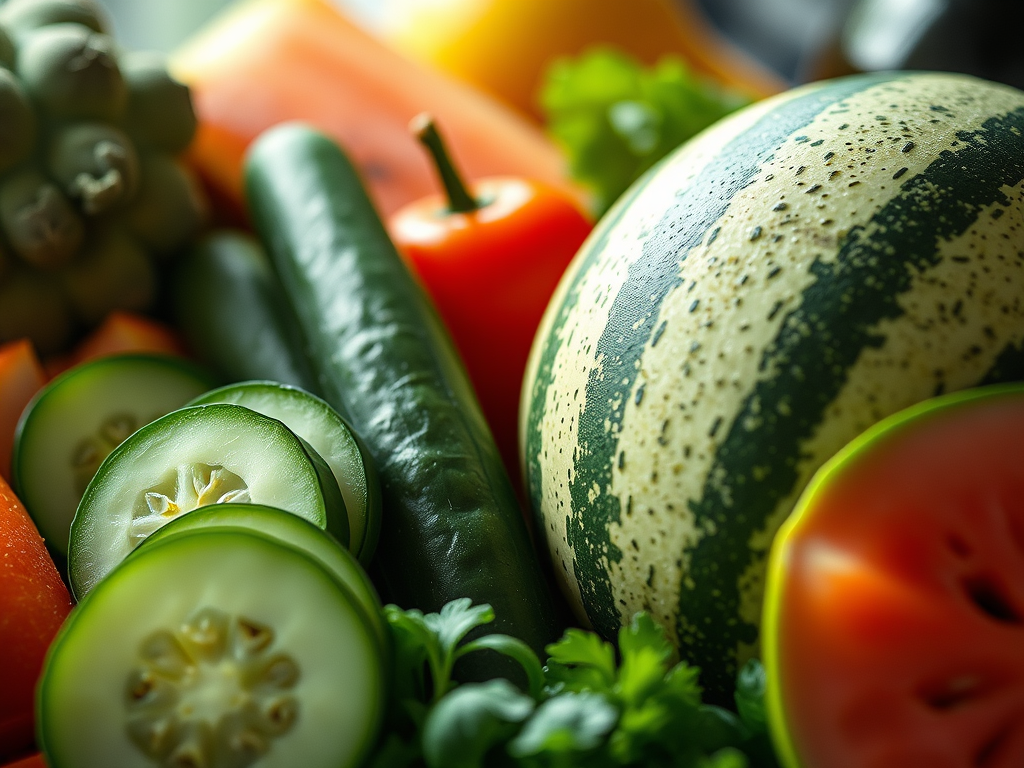
I live in a very hot climate. Just walking around the block can be a challenge when it’s 115 degrees. So, I do a lot of hydrating, from fruit smoothies to Kabocha, to the occasion seltzer or soda. You should also be eating fruits and vegetables with high water content like strawberries, watermelon, cantaloupe, peaches, oranges, and cucumbers because the truth is that we all take our kidneys for granted. Mostly they just need plenty of water.

Yes, our kidneys work very hard every day to maintain overall health. Despite their small size (each kidney is about the size of a fist), they perform several crucial and complex functions that keep the body’s internal environment stable and balanced. The kidneys are vital organs in the urinary system, filtering waste products from the blood, regulating electrolytes, balancing fluids, and even playing a role in hormone production.

If you’ve been taking your kidneys for granted, don’t feel bad. We all do that from time to time. And while you’re eating better and hydrating, you might want to consider a sponsored kidney cleanse supplement before getting a closer look at how hard the kidneys work. As with all changes you initiate with your body from herbs to supplements to drug routines, you should talk to your doctor first.

Critical Functions of the Kidneys

  1. Filtering Blood
    • The kidneys filter about 150-180 liters of blood daily but only produce 1-2 liters of urine. They remove waste products, toxins, and excess substances (such as water, salts, and urea) from the blood, concentrate them into the urine, and then excrete them.
    • Nephrons, the tiny kidney filtering units, are responsible for this task. Each kidney contains around 1 million nephrons. This vast number of nephrons ensures that the kidneys can efficiently filter blood and remove waste.
  2. Regulating Fluid and Electrolyte Balance
    • Kidneys regulate the body’s fluid levels by controlling how much water is reabsorbed into the bloodstream and how much is excreted in urine.
    • They also maintain electrolyte balance, managing critical minerals like sodium, potassium, calcium, and magnesium, essential for various bodily functions, including nerve transmission, muscle function, and blood pressure regulation.
  3. Maintaining Acid-Base Balance
    • The kidneys help regulate the body’s pH levels by excreting hydrogen ions (which are acidic) and reabsorbing bicarbonate (a buffer that neutralizes acid). This ensures that the blood’s pH stays within a narrow range, critical for all enzymatic and metabolic processes in the body.
  4. Regulating Blood Pressure
    • The kidneys help regulate blood pressure by controlling the balance of salt and water in the body and releasing the enzyme renin. Renin helps regulate the contraction and relaxation of blood vessels, affecting blood pressure.
    • The renin-angiotensin-aldosterone system (RAAS), partially controlled by the kidneys, plays a critical role in long-term blood pressure regulation.
  5. Producing Hormones
    • Erythropoietin: The kidneys produce this hormone, which stimulates the production of red blood cells in the bone marrow. This is especially important when oxygen levels in the blood are low.
    • Calcitriol: This is the active form of vitamin D, produced by the kidneys. Calcitriol helps regulate calcium levels in the blood and supports bone health.
    • Renin: As mentioned earlier, this hormone is part of the process that helps control blood pressure.
  6. Detoxification
    • In addition to filtering waste from normal metabolic processes, the kidneys help remove toxins from food, drugs, and environmental pollutants, preventing their buildup in the body.
  7. Balancing Blood Osmolarity
    • The kidneys ensure that the concentration of solutes (salts, glucose, and other particles) in the blood is within a specific range. This balance is critical for maintaining the health of cells and tissues throughout the body.

How Hard the Kidneys Work: Daily Effort

The workload of the kidneys is continuous and vital to sustaining life. Given the complexity of their functions, kidneys are always active, whether you are awake or asleep. Their role in filtering blood and maintaining homeostasis is demanding, mainly because they:

  • Filter about 50 gallons (150 liters) of blood each day.
  • Produce urine from excess waste and fluids.
  • Constantly adjust to the body’s changing needs, such as eating, drinking, or engaging in physical activity.

Factors That Increase Kidney Workload

Several factors can increase the workload of the kidneys or challenge their ability to function efficiently. While the kidneys are resilient, prolonged stress can lead to kidney damage over time. Some of these factors include:

  1. High Blood Pressure (Hypertension)
    • High blood pressure forces the kidneys to work harder to filter blood, which can damage the delicate blood vessels in the nephrons. Over time, this can lead to chronic kidney disease (CKD).
  2. High Sugar Intake (Diabetes)
    • High blood sugar levels in people with diabetes can damage the small blood vessels in the kidneys. This makes it harder for the kidneys to filter blood properly and can eventually lead to diabetic nephropathy (kidney damage due to diabetes).
  3. High Protein Diets
    • Consuming large amounts of protein increases the workload of the kidneys because they must filter and excrete the nitrogenous waste products (mainly urea) that result from protein metabolism.
    • Although moderate protein intake is not harmful to healthy kidneys, excessive protein intake over time can stress the kidneys.
  4. Dehydration
    • Not drinking enough water can make it harder for the kidneys to flush out waste products, leading to more concentrated urine. Chronic dehydration can lead to kidney stones and other complications.
  5. Toxins and Medications
    • Certain medications, especially when taken long-term (e.g., NSAIDs like ibuprofen), as well as alcohol and certain toxins, can stress the kidneys and potentially lead to damage if not used carefully.
  6. High Salt Diets
    • Excessive sodium intake can increase blood pressure and the kidneys’ work to maintain fluid and electrolyte balance.

Signs Your Kidneys Are Under Stress

When the kidneys are struggling or under stress, some warning signs may appear, although kidney disease can often progress without obvious symptoms until it is advanced. Signs that your kidneys may be working too hard or not functioning properly include:

  • Fatigue and weakness (due to low red blood cell count or anemia caused by reduced erythropoietin production).
  • Swelling (edema), especially in the legs, ankles, feet, or hands, due to fluid retention.
  • Changes in urination: Decreased or increased urine output, dark-colored or foamy urine, or pain during urination.
  • High blood pressure is a sign that the kidneys are not effectively regulating blood pressure.
  • Nausea, vomiting, or loss of appetite: These can be symptoms of uremia, a buildup of waste products in the blood due to kidney dysfunction.
  • Itching or dry skin: This is related to the accumulation of waste products that the kidneys can no longer filter properly.

How to Support Your Kidneys

To keep your kidneys functioning optimally and reduce their workload, consider the following strategies:

  1. Stay Hydrated: Drinking plenty of water helps the kidneys filter waste effectively and prevents kidney stones.
  2. Eat a Balanced Diet: Limit excess salt, sugar, and unhealthy fats. Focus on whole grains, fruits, vegetables, and lean proteins.
  3. Monitor Blood Pressure: Keep your blood pressure in check to reduce the strain on your kidneys.
  4. Control Blood Sugar: If you have diabetes, managing blood sugar levels is critical for protecting your kidneys.
  5. Limit Alcohol and Avoid Smoking: Both alcohol and smoking can damage the kidneys over time.
  6. Exercise Regularly: Physical activity helps maintain a healthy weight, supports heart health, and reduces the risk of kidney damage.
  7. Avoid Overuse of NSAIDs: Prolonged use of nonsteroidal anti-inflammatory drugs (like ibuprofen) can harm the kidneys, so use them sparingly and consult a doctor for long-term pain management.

Conclusion

Our kidneys perform vital and complex tasks essential for overall health, from filtering waste to balancing fluids and electrolytes. While they are highly efficient and resilient, they can become overworked due to factors like poor diet, dehydration, or chronic health conditions like diabetes and hypertension. By adopting kidney-friendly habits such as staying hydrated, eating a balanced diet, exercising, and avoiding harmful substances, you can support your kidneys in their hard work and ensure they function optimally for a lifetime.

Other high-water content foods to considerer include celery, zucchini, lettuce, tomatoes, bell peppers, and cauliflower.
Red Yeast Rice: Natural Cholesterol Management for Heart Health

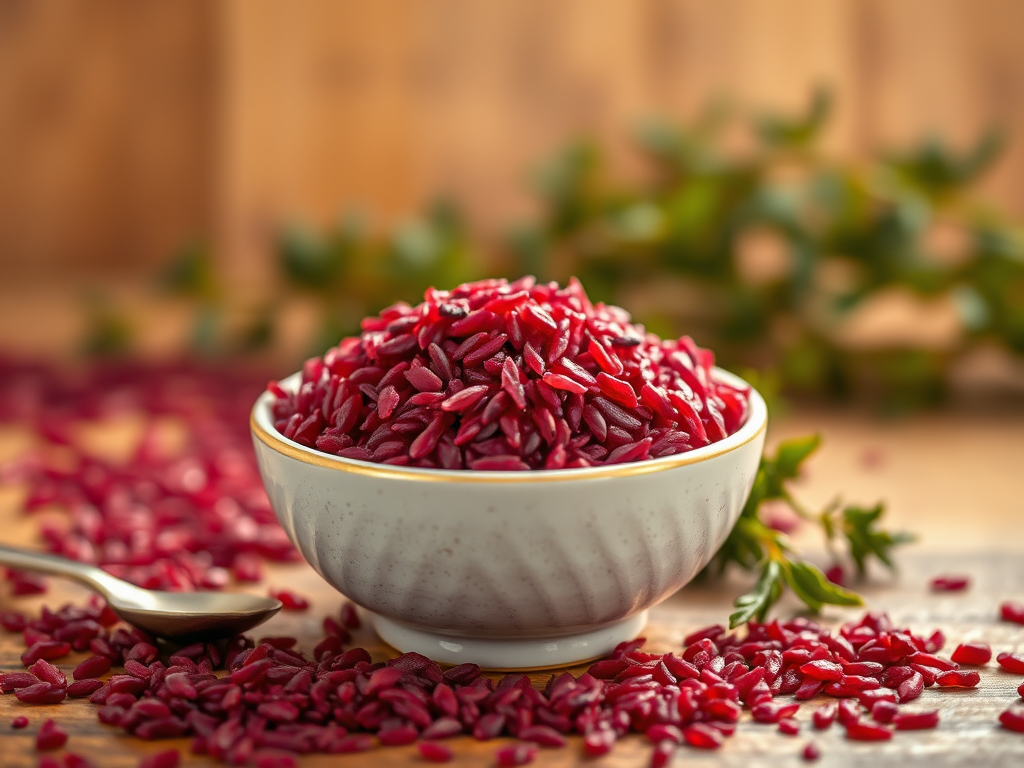
Red yeast rice is a traditional Chinese medicinal product made by fermenting rice with a specific strain of yeast called Monascus purpureus. It has gained popularity as a natural supplement for lowering cholesterol due to its content of monacolin K, a compound chemically identical to the active ingredient in the prescription drug lovastatin (a statin). While red yeast rice may benefit cholesterol management, its safety and effectiveness come with some critical considerations.

  1. Cholesterol-lowering Effects
    • Red yeast rice contains monacolin K, which inhibits the enzyme HMG-CoA reductase, responsible for cholesterol production in the liver. This mechanism is identical to how statins lower cholesterol.
    • Studies have shown that red yeast rice can effectively lower total cholesterol, LDL cholesterol (the “bad” cholesterol), and triglycerides and slightly increase HDL cholesterol (the “good” cholesterol). Some research indicates that it can reduce LDL cholesterol by 20-30%, similar to the effects seen with prescription statins.
    • Meta-analyses and clinical trials: Multiple studies and meta-analyses confirm that red yeast rice supplements can reduce cholesterol levels, especially in people with hypercholesterolemia (high cholesterol). A 2015 review found that red yeast rice significantly lowered LDL cholesterol, total cholesterol, and triglycerides compared to a placebo.
  2. Potential Cardiovascular Benefits
    • By lowering cholesterol, red yeast rice may reduce the risk of heart disease, atherosclerosis, and other cardiovascular issues associated with high cholesterol.
    • Some studies suggest that regular use of red yeast rice may help prevent recurrent heart attacks in individuals with a history of cardiovascular disease.
  3. Additional Compounds
    • In addition to monacolin K, red yeast rice contains other bioactive compounds, such as unsaturated fatty acids, phytosterols, and isoflavones, which may contribute to its cholesterol-lowering and heart-protective effects. These compounds may also provide anti-inflammatory and antioxidant benefits, promoting cardiovascular health.

Safety and Potential Risks of Red Yeast Rice

While red yeast rice can be effective for lowering cholesterol, its use as a supplement comes with safety concerns, especially because it is similar to statins.

1. Risk of Side Effects Similar to Statins

Since monacolin K is chemically identical to lovastatin, red yeast rice can produce the same side effects as prescription statins. Common side effects include:

  • Muscle pain or weakness (myopathy): One of the most commonly reported side effects, which can progress to a more serious condition called rhabdomyolysis if untreated.
  • Liver damage: Red yeast rice can affect liver function, particularly at higher doses. Monitoring liver enzymes is recommended for long-term users or those at risk of liver disease.
  • Gastrointestinal issues: Some people report nausea, bloating, gas, and indigestion when using red yeast rice.

In people sensitive to statins or those with existing health issues, these side effects may be more pronounced.

2. Variability in Supplement Quality

One of the primary concerns with red yeast rice supplements is the inconsistency in the amount of monacolin K across different products. The U.S. Food and Drug Administration (FDA) does not strictly regulate red yeast rice supplements as prescription medications, leading to variability in potency and quality.

  • Some products contain little to no monacolin K, making them ineffective.
  • Others may contain high levels, increasing the risk of side effects similar to prescription statins.

Contaminants: Additionally, poorly produced red yeast rice supplements may contain harmful contaminants, such as citrinin, a byproduct of the fermentation process that is toxic to the kidneys.

3. Possible Drug Interactions

Red yeast rice can interact with several medications, similar to statins. Key interactions include:

  • Other cholesterol-lowering medications: Combining red yeast rice with statins or other cholesterol-lowering drugs can increase the risk of side effects, particularly muscle pain and liver damage.
  • Blood thinners (e.g., warfarin): Red yeast rice may increase the risk of bleeding in people taking anticoagulants.
  • Medications metabolized by the liver: Because red yeast rice affects liver enzymes, it can interfere with how the body processes certain drugs, leading to increased or decreased efficacy.

4. Not Suitable for Everyone

Red yeast rice may not be appropriate for individuals with certain conditions, including:

  • Pregnancy and breastfeeding: Red yeast rice should not be used by pregnant or breastfeeding women due to the lack of research on its safety and potential for harm to the developing baby.
  • Liver or kidney disease: Individuals with liver or kidney problems should avoid red yeast rice due to the risk of further damage.
  • History of statin intolerance: Those who have experienced adverse reactions to statins may experience similar effects with red yeast rice.

Guidelines for Safe Use of Red Yeast Rice

If you are considering using red yeast rice to manage cholesterol, it’s essential to follow these guidelines to maximize safety and effectiveness:

  1. Consult a Healthcare Provider. Before starting red yeast rice, talk to your doctor or a healthcare professional, especially if you are on other medications or have underlying health conditions. A doctor can recommend the proper dosage and monitor for potential side effects, including liver function tests.
  2. Choose High-Quality Supplements. Look for red yeast rice products that have been third-party tested for quality and purity. This can reduce the risk of contaminants like citrinin and ensure the product contains the appropriate amount of monacolin K. Avoid products from unreliable or unverified manufacturers.
  3. Monitor for Side Effects If you experience any signs of muscle pain, weakness, liver issues (such as yellowing of the skin or eyes), or other unusual symptoms, discontinue use and seek medical attention immediately. Regular blood tests for liver function and muscle health are recommended for long-term use.
  4. Follow Recommended Dosage Typical dosages for red yeast rice range from 600 mg to 1,200 mg per day, but this can vary based on the concentration of monacolin K in the product. Avoid taking excessive doses, as this increases the risk of side effects.
  5. Consider Complementary Approaches While red yeast rice can help manage cholesterol, combining it with other lifestyle changes can improve results and reduce the need for supplements. This includes:
    • A heart-healthy diet: Focus on eating more fruits, vegetables, whole grains, and healthy fats (like omega-3s from fish or flaxseed) while reducing saturated fats and cholesterol-rich foods.
    • Exercise: Regular physical activity helps boost HDL cholesterol and improve cardiovascular health.
    • Maintain a healthy weight: Weight management can reduce LDL cholesterol and improve overall heart health.

Conclusion

Red yeast rice can be an effective natural supplement (sponsored) for lowering cholesterol due to its monacolin K content, which works similarly to prescription statins. However, the supplement comes with potential risks, including side effects like muscle pain, liver damage, and drug interactions. The variability in product quality and the potential presence of harmful contaminants like citrinin are also concerns.

For most individuals, it is essential to approach red yeast rice with caution, use it under the guidance of a healthcare professional, and ensure it is part of a broader strategy that includes a heart-healthy diet and regular exercise. If you are sensitive to statins or have underlying health conditions, alternative cholesterol-lowering strategies may be more suitable.

Discover Black Seed Oil: Health Benefits and Uses

Black Seed Oil: Overview and Uses

Black seed oil, also known as Nigella sativa oil or black cumin seed oil, is derived from the seeds of the Nigella sativa plant. This plant has been used for centuries in traditional medicine across various cultures, particularly in the Middle East, Africa, and Asia. It is praised for its broad range of potential health benefits, attributed to its rich composition of active compounds, particularly thymoquinone (TQ), known for its antioxidant, anti-inflammatory, and antimicrobial properties.

As always, it is suggested that supplements can be helpful or necessary for specific populations, including individuals with diagnosed nutrient deficiencies, pregnant women, older adults, people with certain medical conditions, and those following restrictive diets. It’s crucial to consult with a healthcare professional before starting any supplement regimen to ensure it’s appropriate for your individual needs and to avoid potential risks. Black Seed Oil (sponsored) has been shown to have many benefits, as outlined below.

Nutritional Profile of Black Seed Oil

Black seed oil is rich in essential fatty acids, antioxidants, and various bioactive compounds, making it a highly valued natural remedy. The key components include:

  • Thymoquinone: The most potent active compound in black seed oil, known for its antioxidant, anti-inflammatory, and anti-cancer properties.
  • Nigellone: Another bioactive component with anti-histamine properties that helps manage respiratory conditions.
  • Fatty Acids: Black seed oil contains omega-6 and omega-9 fatty acids, which contribute to heart health, skin health, and anti-inflammatory effects.
  • Vitamins and Minerals: Black seed oil is a source of vitamin E and other antioxidants that support skin health and overall wellness.

Health Benefits and Uses of Black Seed Oil

  1. Anti-Inflammatory and Antioxidant Effects One of the most well-documented benefits of black seed oil is its potent anti-inflammatory and antioxidant properties. Thymoquinone plays a crucial role in reducing oxidative stress, which helps protect cells from damage caused by free radicals. This makes black seed oil beneficial for managing chronic inflammation, a root cause of many diseases, including cardiovascular disease, cancer, and autoimmune disorders.
  2. Immune System Support Black seed oil is often used to boost the immune system due to its immune-modulating properties. It has been shown to enhance the body’s defense mechanisms, making it helpful in preventing and fighting infections. The oil’s antimicrobial properties are effective against many pathogens, including bacteria, viruses, and fungi.
  3. Respiratory Health Traditional medicine often uses black seed oil to treat respiratory issues like asthma, bronchitis, and allergies. Thymoquinone’s anti-inflammatory and bronchodilatory effects can help relax bronchial muscles and improve breathing, making it easier for individuals with respiratory conditions to manage their symptoms. Additionally, its antihistamine properties may help alleviate allergic reactions.
  4. Digestive Health Black seed oil has improved digestive health, particularly in bloating, gas, indigestion, and constipation. The oil has mild laxative properties and can help promote regular bowel movements. It may also help protect the stomach lining and reduce symptoms of ulcers by reducing inflammation in the digestive tract.
  5. Cardiovascular Health The omega-6 and omega-9 fatty acids in black seed oil and their antioxidant properties can support heart health by reducing inflammation and cholesterol levels. Studies have suggested that black seed oil may help lower blood pressure and reduce LDL cholesterol, both risk factors for heart disease. Additionally, its anti-inflammatory effects can help prevent atherosclerosis, a condition characterized by the hardening of the arteries.
  6. Blood Sugar Regulation Black seed oil may help regulate blood sugar levels, making it a potential supplement for individuals with type 2 diabetes or those at risk of developing diabetes. Some studies have shown that black seed oil can improve insulin sensitivity and reduce fasting blood sugar levels. Its antioxidant properties also help reduce the oxidative stress often accompanying high blood sugar levels.
  7. Weight Loss and Metabolism Some evidence suggests that black seed oil may support weight loss efforts by improving metabolism and reducing appetite. It may help regulate glucose metabolism, reduce insulin resistance, and decrease the formation of new fat cells. Although black seed oil is not a magic weight loss solution, it can be a helpful addition to a healthy diet and exercise plan.
  8. Skin and Hair Health Black seed oil is commonly used in cosmetic products due to its nourishing properties for skin and hair. It helps to hydrate the skin, reduce inflammation, and combat acne due to its antibacterial properties. For those with eczema, psoriasis, or other inflammatory skin conditions, black seed oil may relieve the skin and reduce itching and redness.

When applied to hair, black seed oil can strengthen hair follicles, reduce hair loss, and promote growth. Its antimicrobial and anti-inflammatory properties may also help treat scalp conditions such as dandruff or scalp infections.

  1. Cancer Prevention and Support Research is still early, but some studies suggest that black seed oil may have anti-cancer properties. The active compound thymoquinone has demonstrated the ability to inhibit the growth of cancer cells in various types of cancer, including breast, prostate, and colon cancer. Its potent antioxidant and anti-inflammatory effects contribute to its potential as a complementary treatment for cancer patients. However, more clinical studies are needed to confirm these effects in humans.
  2. Liver and Kidney Health Black seed oil has been shown to support liver and kidney health by reducing inflammation and oxidative stress in these organs. It may help detoxify the liver, protect against liver damage caused by toxins, and improve overall liver function. Similarly, black seed oil’s antioxidant properties may protect the kidneys from damage caused by various factors, including high blood sugar, toxins, and medications.

How to Use Black Seed Oil

Black seed oil can be used both topically and orally, depending on the intended purpose:

  • Topical Use: Black seed oil can be applied directly to the skin or hair for its cosmetic benefits. It is often diluted with a carrier oil (such as coconut or olive oil) to reduce the risk of irritation. When used on the skin, it can help moisturize, reduce inflammation, and improve the overall texture. Hair can be massaged into the scalp to promote hair health and address scalp issues.
  • Oral Use: Black seed oil can be taken orally in liquid form or capsules. The recommended dosage varies depending on the targeted health condition, but it’s typically 1-2 teaspoons daily for general health and wellness. Some people also mix black seed oil with honey, yogurt, or smoothies to mask its strong taste.

Safety and Side Effects

Black seed oil is generally considered safe when used in moderation. However, some individuals may experience side effects, mainly if they take high doses or use it for an extended period.

Design a site like this with WordPress.com
Get started