Unlocking the Benefits of Intermittent Fasting

Intermittent fasting (IF) may not seem new for those who skip breakfast. Still, because marketing geniuses from the breakfast cereal industry have told us for decades that a “healthy” breakfast starts with sugared flakes and squares from a box, many of us crave breakfast when we wake up. I do. Right after I get my coffee fix, which may not be necessary physiologically, but my brain says otherwise and usually runs the show.

Studies show students score higher when they have enjoyed healthy food choices before school, and the word breakfast translates to “Breaking the fast” after a night of sleep. So eating soon after waking makes sense. Unfortunately, sugary breakfasts or heavy carb and meat choices tend to bog us down soon after eating. Ideally, a choice like oatmeal that doesn’t cause a sugar rush and lasts for hours would be ideal. But let’s get back to zero breakfast ideas.

 Intermittent fasting is a popular dietary strategy that alternates between periods of eating and fasting. Rather than focusing on what to eat, IF emphasizes when to eat. Proponents claim it can help lose weight, improve metabolic health, and extend lifespan. Its appeal lies in its simplicity and flexibility, as it doesn’t require counting calories or following a restrictive diet. IF taps into our evolutionary past, where food availability was inconsistent, and fasting was a natural part of life.

Types of Intermittent Fasting

There are several different ways to practice intermittent fasting, each with varying fasting and eating windows:

  1. 16/8 Method: One of the most common and sustainable methods that I have found and use myself is this approach. It involves fasting for 16 hours daily and limiting my eating window to 8 hours. You can set any time you like, but I skip breakfast and eat from noon until 8 p.m. It’s popular because it fits into daily life without requiring significant adjustments.
  2. 5:2 Diet: On the 5:2 diet, participants usually eat five days a week and drastically reduce calorie intake to around 500-600 calories on the remaining two days. These fasting days, such as Monday and Thursday, are typically non-consecutive, allowing for flexibility.
  3. Eat-Stop-Eat: This involves a 24-hour fast once or twice weekly. For example, you might finish dinner at 7 p.m. and not eat again until 7 p.m. the next day. This method can be more challenging but offers a more extended fasting period, which may enhance benefits.
  4. Alternate-Day Fasting: As the name suggests, alternate-day fasting involves fasting every other day. Some variations allow a small number of calories (around 500) on fasting days, while others require complete fasting. This can be a rigorous method, and adherence is often a challenge.
  5. Warrior Diet: The Warrior Diet involves eating small amounts of raw fruits and vegetables during the day and having one large meal at night. The eating window is typically around four hours in the evening, making this method one of the most extreme forms of intermittent fasting.
  6. Spontaneous Meal Skipping: Instead of following a strict schedule, some people skip meals when they’re not hungry or don’t have time to eat. This informal approach can be easier to integrate into daily life, as it doesn’t require planning.

How Intermittent Fasting Works

When we eat, the body uses the calories from the meal for immediate energy, especially glucose. Insulin levels rise to help transport glucose into the cells for energy or storage. When fasting, insulin levels drop, signaling the body to burn stored energy (fat). This metabolic shift is the foundation of the weight loss and metabolic health benefits often associated with intermittent fasting.

During fasting periods, the body transitions into a state known as ketosis, where it begins to break down fat into fatty acids and ketones for energy. This state is similar to a ketogenic diet, which encourages fat metabolism. However, with IF, this metabolic switch occurs periodically rather than constantly, which some researchers argue makes it more sustainable in the long term.

Benefits of Intermittent Fasting

  1. Weight Loss and Fat Loss: One of the primary reasons people turn to intermittent fasting is weight loss. By restricting eating to certain windows, overall calorie intake is often reduced, leading to weight loss. Additionally, fasting periods encourage the body to use fat for energy, which can further accelerate fat loss. Studies suggest that IF can be as effective for weight loss as traditional calorie restriction diets, with some finding it even easier to stick to.
  2. Improved Insulin Sensitivity: IF can reduce insulin resistance, lower blood sugar levels, and protect against Type 2 diabetes. By allowing insulin levels to drop, the body becomes more sensitive to insulin, improving how it processes glucose and reducing the risk of developing metabolic diseases.
  3. Cellular Repair and Autophagy: Fasting triggers cellular repair processes, including autophagy. Autophagy is the body’s way of cleaning out damaged cells and regenerating new, healthy ones. This process is critical in protecting against diseases like cancer and Alzheimer’s, as it removes dysfunctional components that can accumulate over time.
  4. Heart Health: Intermittent fasting can improve various risk factors for heart disease, including lowering LDL cholesterol, reducing triglycerides, decreasing blood pressure, and reducing inflammation. These improvements collectively reduce the risk of cardiovascular diseases, which are a leading cause of death worldwide.
  5. Brain Health and Longevity: Fasting may benefit brain health by promoting the production of a brain-derived neurotrophic factor (BDNF), which is essential for learning, memory, and cognitive function. Low levels of BDNF are linked to conditions like depression and cognitive decline. Moreover, fasting has been shown to increase the brain’s resistance to stress and neurodegeneration, potentially reducing the risk of diseases like Alzheimer’s and Parkinson’s.
  6. Increased Human Growth Hormone (HGH): Fasting has been shown to increase levels of human growth hormone (HGH), which plays a crucial role in fat loss, muscle gain, and overall metabolic health. Higher HGH levels can aid in weight loss, recovery, and muscle preservation, particularly during periods of caloric deficit.
  7. Simplified Eating and Improved Focus: One unexpected benefit of intermittent fasting is the simplicity it brings to daily life. By reducing the number of meals, meal planning and preparation become easier. Additionally, many people report improved focus and mental clarity during fasting periods, as they aren’t distracted by food or digestion.

Potential Downsides and Risks

While intermittent fasting has many potential benefits, it may not suit everyone. I do get hungry in the morning, but the better my choices for my later meals, the less effect I notice.

Some common concerns and potential risks include:

  1. Hunger and Cravings: One of the most immediate challenges of intermittent fasting is hunger, especially during the early days of adjusting to a new eating pattern. For some, this can lead to overeating during the eating window, which may counteract any potential benefits.
  2. Disordered Eating: For people with a history of eating disorders, intermittent fasting may exacerbate unhealthy relationships with food. The rigidity of fasting schedules could trigger obsessive behaviors around food and eating patterns.
  3. Fatigue and Irritability: During fasting periods, particularly in the beginning, many people experience fatigue, irritability, and difficulty concentrating. These symptoms often subside as the body adapts to the new eating pattern, but they can be a significant barrier to maintaining the routine. Instead of jumping into something at full speed, work your way up to your chosen total fast hours. Start with an extra hour of fast for a few days, then add a second hour and so on.
  4. Nutrient Deficiencies: Intermittent fasting, especially when combined with calorie restriction, could lead to nutrient deficiencies. To avoid this, it is important to focus on nutrient-dense foods while eating windows and ensure that all essential vitamins and minerals are consumed.
  5. Hormonal Changes: IF can affect hormones, particularly in women. Some research suggests that fasting may disrupt the menstrual cycle and fertility, particularly when combined with excessive calorie restriction or extreme exercise. Women considering intermittent fasting should pay close attention to how it affects their bodies and adjust accordingly.
  6. Exercise Performance: Some people find fasting negatively impacts their energy levels during workouts, particularly high-intensity or endurance exercises. However, others report improved performance, especially when their body becomes fat-adapted and more efficient at using fat as fuel.

Conclusion

Intermittent fasting is a flexible and practical approach to weight management, metabolic health, and potentially increasing longevity. By incorporating fasting periods, the body can tap into its fat stores and undergo various beneficial processes such as autophagy, insulin sensitivity, and improved heart and brain health. However, intermittent fasting is not a one-size-fits-all approach. Before starting, individuals must consider their unique needs, goals, and potential risks and consult with healthcare professionals if necessary.

For those who find it sustainable, intermittent fasting can be a simple yet powerful tool for improving overall health and wellness.

The Benefits of Choosing Natural Makeup

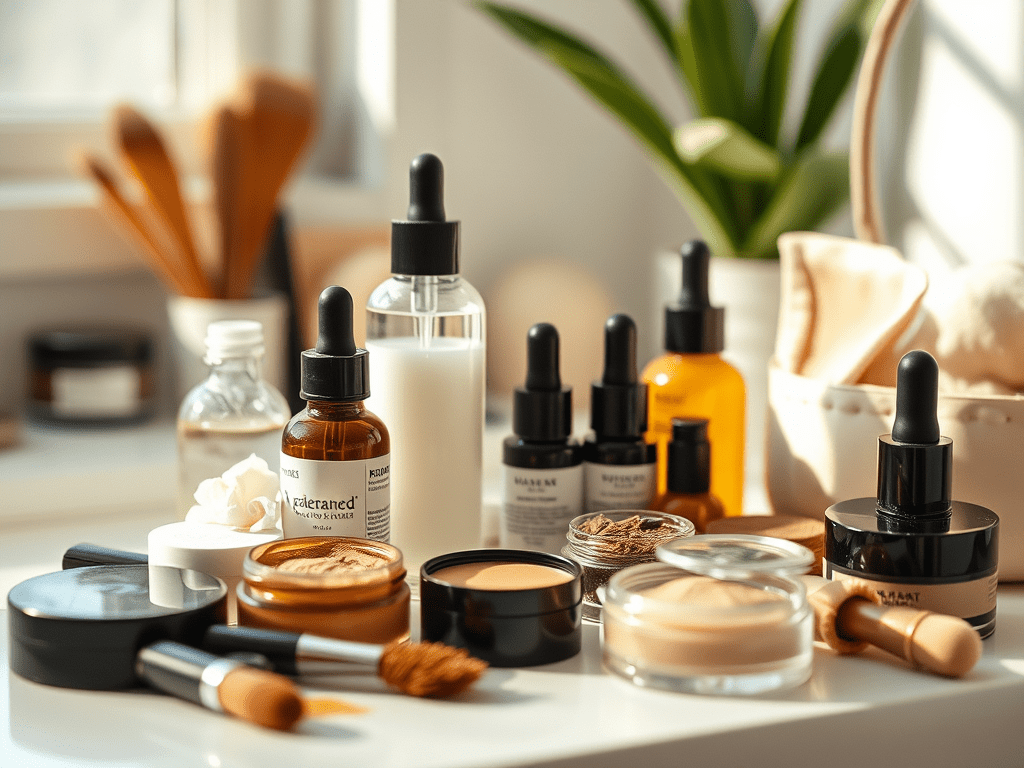
In today’s beauty-driven world, makeup has become essential to many people’s daily routines. Makeup allows individuals to enhance their features, boost confidence, and express their style. While conventional makeup products have dominated the market for decades, there is a growing movement toward natural makeup. Consumers are increasingly conscious of the ingredients in their products, leading to a shift in the beauty industry. Natural makeup, free from harmful chemicals and focused on natural ingredients, is gaining popularity for its numerous benefits to beauty and health. This article will explore the importance of natural makeup, its ingredients, and how it contributes to overall health.

The Rise of Natural Makeup

The natural makeup trend is more than just a fleeting fashion; it’s a response to the growing awareness about the potential harm caused by synthetic chemicals commonly found in conventional cosmetics. Traditional makeup products often contain parabens, phthalates, sulfates, and synthetic fragrances. These chemicals have been linked to various health issues, including hormone disruption, allergic reactions, and even certain cancers. As a result, many consumers are seeking alternatives that are safe for their skin and align with their values, such as sustainability and cruelty-free practices.

Natural makeup products are formulated using ingredients derived from plants, minerals, and other natural sources. These ingredients are often gentler on the skin and less likely to cause irritation or allergic reactions. Additionally, natural makeup brands often prioritize environmentally friendly practices, using sustainable packaging, and avoiding animal testing, making them an attractive option for eco-conscious consumers. There are a number of excellent, natural makeup producers like Gaya (sponsored), which prides itself on vegan and clean beauty.

Key Ingredients in Natural Makeup

Natural makeup products rely on a range of botanical and mineral ingredients that provide beautiful results and skin-nourishing benefits. Here are some of the most common natural ingredients found in these products:

  1. Plant Oils: Natural makeup formulations frequently use oils like jojoba, coconut, and argan. These oils are rich in vitamins and essential fatty acids, which help to hydrate and nourish the skin. They create a smooth, dewy finish while protecting the skin from environmental stressors.
  2. Shea Butter: Derived from the nuts of the African shea tree, shea butter is a popular ingredient in natural makeup products. It is deeply moisturizing and contains antioxidants that help combat signs of aging. Shea butter is often used in lipsticks, foundations, and moisturizers to provide a smooth texture and long-lasting hydration.
  3. Mineral Pigments: Instead of using synthetic dyes, natural makeup brands often rely on minerals like iron oxides, titanium dioxide, and zinc oxide for color. These minerals provide vibrant, long-lasting pigmentation and are non-comedogenic, meaning they won’t clog pores. Additionally, zinc oxide and titanium dioxide offer sun protection, making them ideal for products like foundation and sunscreen.
  4. Aloe Vera: Known for its soothing properties, aloe vera is a common ingredient in natural makeup and skincare products. It helps to calm irritated skin, reduce redness, and provide hydration. Aloe vera is often used in primers, foundations, and setting sprays to create a smooth, even base while keeping the skin comfortable.
  5. Green Tea Extract: Green tea is packed with antioxidants, which help protect the skin from free radicals and environmental damage. In natural makeup, green tea extract reduces inflammation and soothes sensitive skin. It’s a great ingredient for acne-prone or easily irritated skin.
  6. Beeswax: A natural emollient, beeswax helps to lock in moisture and create a protective barrier on the skin. It is commonly used in natural lipsticks, mascaras, and eyebrow products to provide long-lasting wear without synthetic binders or preservatives.

Health Benefits of Using Natural Makeup

  1. Reduced Exposure to Harmful Chemicals

One of the primary reasons people choose natural makeup is to avoid harmful chemicals. Traditional makeup products can contain a cocktail of synthetic ingredients, many of which have been linked to adverse health effects. For example, parabens, which are used as preservatives in many cosmetics, have been found to mimic estrogen in the body, potentially disrupting hormonal balance. Phthalates, another common ingredient, have been linked to reproductive issues. By switching to natural makeup, individuals can significantly reduce their exposure to these harmful chemicals.

  1. Gentler on Sensitive Skin

Many people suffer from sensitive skin, which can be easily irritated by the harsh chemicals found in conventional makeup. Ingredients like alcohol, synthetic fragrances, and preservatives can cause redness, itching, and breakouts. On the other hand, natural makeup products are formulated with gentle, skin-soothing ingredients like aloe vera, chamomile, and calendula. These ingredients help calm inflammation and reduce the risk of irritation, making natural makeup an excellent option for sensitive or reactive skin.

  1. Non-Comedogenic

Clogged pores are a common concern for makeup wearers, especially those with oily or acne-prone skin. Many traditional makeup products contain heavy oils and waxes that can clog pores and lead to breakouts. Natural makeup, however, is often formulated with non-comedogenic ingredients that allow the skin to breathe. Mineral-based foundations and powders, for example, provide excellent coverage without causing congestion in the pores. This can help prevent acne and keep the skin clear and healthy.

  1. Anti-Aging Properties

Many natural makeup ingredients offer more than just cosmetic benefits – they also have skincare benefits that can help reduce the signs of aging. Antioxidants like vitamin E, green tea extract, and rosehip oil help to protect the skin from free radical damage, which can accelerate the aging process. Natural oils and butter also provide deep hydration, essential for maintaining youthful, plump skin. By using natural makeup products, individuals can enhance their appearance while nourishing and protecting their skin for the long term.

  1. Sun Protection

Mineral-based natural makeup products, such as those containing zinc oxide and titanium dioxide, offer a built-in SPF. These minerals provide broad-spectrum protection against UVA and UVB rays, helping prevent sun damage and reduce the risk of skin cancer. Unlike chemical sunscreens, which can be absorbed into the skin and potentially disrupt hormones, mineral sunscreens sit on top of the skin and reflect UV rays. This makes them a safer, more practical option for sun protection.

  1. Support for Ethical and Sustainable Practices

Many natural makeup brands prioritize ethical and sustainable practices, which can positively impact both individual health and the environment. For example, brands that use organic ingredients are helping to reduce the use of pesticides and other harmful chemicals in agriculture. Additionally, many natural makeup companies avoid animal testing and use cruelty-free ingredients, making them a more ethical choice for consumers who care about animal welfare. Sustainable packaging, such as recyclable or biodegradable materials, also helps to reduce the environmental impact of beauty products.

Why Natural Makeup is Important for Health

The importance of natural makeup for health cannot be overstated. The skin is the body’s largest organ, acting as a barrier to protect us from external threats like bacteria, pollutants, and UV radiation. However, the skin is also permeable, meaning that some substances applied to it can be absorbed into the bloodstream. This is why the ingredients in makeup and skincare products matter.

  1. Avoiding Toxic Build-Up in the Body

When we use conventional makeup products, the chemicals they contain can accumulate in our bodies over time. Studies have shown that certain chemicals in cosmetics, such as phthalates and parabens, can be detected in human urine and blood samples. This toxic build-up has been linked to a range of health issues, including hormone disruption, reproductive problems, and even certain cancers. By choosing natural makeup, we can reduce exposure to these harmful chemicals and lower the risk of long-term health problems.

  1. Hormonal Health

Many synthetic ingredients in conventional makeup products can disrupt the endocrine system, which regulates hormones in the body. Parabens, phthalates, and synthetic fragrances are all known to interfere with hormone production, leading to issues like infertility, irregular menstrual cycles, and an increased risk of hormone-related cancers. Natural makeup products are free from these hormone-disrupting chemicals, making them safer for maintaining hormonal health.

  1. Allergic Reactions and Skin Sensitivity

As mentioned earlier, many people experience allergic reactions or skin sensitivity when using traditional makeup products. These reactions can range from mild irritation to severe dermatitis, depending on the individual’s sensitivity to certain ingredients. Natural makeup, focusing on gentle, plant-based ingredients, is less likely to cause allergic reactions. By using natural makeup, individuals with sensitive skin can avoid flare-ups and maintain healthier skin overall.

  1. Mental and Emotional Well-Being

In addition to physical health benefits, natural makeup can also contribute to mental and emotional well-being. Many people find comfort in knowing their products are safe, ethical, and environmentally friendly. This alignment with their values can increase self-esteem and a more positive outlook. Additionally, natural makeup can help individuals feel more connected to nature and the environment, promoting a sense of mindfulness and balance.

Conclusion

Natural makeup is more than just a beauty trend—it is a movement toward healthier, more ethical personal care choices. By choosing products free from harmful chemicals and rich in skin-nourishing ingredients, individuals can protect their health, enhance their natural beauty, and support themselves .

Understanding Kidney Health: Why Hydration Matters

I live in a very hot climate. Just walking around the block can be a challenge when it’s 115 degrees. So, I do a lot of hydrating, from fruit smoothies to Kabocha, to the occasion seltzer or soda. You should also be eating fruits and vegetables with high water content like strawberries, watermelon, cantaloupe, peaches, oranges, and cucumbers because the truth is that we all take our kidneys for granted. Mostly they just need plenty of water.

Yes, our kidneys work very hard every day to maintain overall health. Despite their small size (each kidney is about the size of a fist), they perform several crucial and complex functions that keep the body’s internal environment stable and balanced. The kidneys are vital organs in the urinary system, filtering waste products from the blood, regulating electrolytes, balancing fluids, and even playing a role in hormone production.

If you’ve been taking your kidneys for granted, don’t feel bad. We all do that from time to time. And while you’re eating better and hydrating, you might want to consider a sponsored kidney cleanse supplement before getting a closer look at how hard the kidneys work. As with all changes you initiate with your body from herbs to supplements to drug routines, you should talk to your doctor first.

Critical Functions of the Kidneys

  1. Filtering Blood
    • The kidneys filter about 150-180 liters of blood daily but only produce 1-2 liters of urine. They remove waste products, toxins, and excess substances (such as water, salts, and urea) from the blood, concentrate them into the urine, and then excrete them.
    • Nephrons, the tiny kidney filtering units, are responsible for this task. Each kidney contains around 1 million nephrons. This vast number of nephrons ensures that the kidneys can efficiently filter blood and remove waste.
  2. Regulating Fluid and Electrolyte Balance
    • Kidneys regulate the body’s fluid levels by controlling how much water is reabsorbed into the bloodstream and how much is excreted in urine.
    • They also maintain electrolyte balance, managing critical minerals like sodium, potassium, calcium, and magnesium, essential for various bodily functions, including nerve transmission, muscle function, and blood pressure regulation.
  3. Maintaining Acid-Base Balance
    • The kidneys help regulate the body’s pH levels by excreting hydrogen ions (which are acidic) and reabsorbing bicarbonate (a buffer that neutralizes acid). This ensures that the blood’s pH stays within a narrow range, critical for all enzymatic and metabolic processes in the body.
  4. Regulating Blood Pressure
    • The kidneys help regulate blood pressure by controlling the balance of salt and water in the body and releasing the enzyme renin. Renin helps regulate the contraction and relaxation of blood vessels, affecting blood pressure.
    • The renin-angiotensin-aldosterone system (RAAS), partially controlled by the kidneys, plays a critical role in long-term blood pressure regulation.
  5. Producing Hormones
    • Erythropoietin: The kidneys produce this hormone, which stimulates the production of red blood cells in the bone marrow. This is especially important when oxygen levels in the blood are low.
    • Calcitriol: This is the active form of vitamin D, produced by the kidneys. Calcitriol helps regulate calcium levels in the blood and supports bone health.
    • Renin: As mentioned earlier, this hormone is part of the process that helps control blood pressure.
  6. Detoxification
    • In addition to filtering waste from normal metabolic processes, the kidneys help remove toxins from food, drugs, and environmental pollutants, preventing their buildup in the body.
  7. Balancing Blood Osmolarity
    • The kidneys ensure that the concentration of solutes (salts, glucose, and other particles) in the blood is within a specific range. This balance is critical for maintaining the health of cells and tissues throughout the body.

How Hard the Kidneys Work: Daily Effort

The workload of the kidneys is continuous and vital to sustaining life. Given the complexity of their functions, kidneys are always active, whether you are awake or asleep. Their role in filtering blood and maintaining homeostasis is demanding, mainly because they:

  • Filter about 50 gallons (150 liters) of blood each day.
  • Produce urine from excess waste and fluids.
  • Constantly adjust to the body’s changing needs, such as eating, drinking, or engaging in physical activity.

Factors That Increase Kidney Workload

Several factors can increase the workload of the kidneys or challenge their ability to function efficiently. While the kidneys are resilient, prolonged stress can lead to kidney damage over time. Some of these factors include:

  1. High Blood Pressure (Hypertension)
    • High blood pressure forces the kidneys to work harder to filter blood, which can damage the delicate blood vessels in the nephrons. Over time, this can lead to chronic kidney disease (CKD).
  2. High Sugar Intake (Diabetes)
    • High blood sugar levels in people with diabetes can damage the small blood vessels in the kidneys. This makes it harder for the kidneys to filter blood properly and can eventually lead to diabetic nephropathy (kidney damage due to diabetes).
  3. High Protein Diets
    • Consuming large amounts of protein increases the workload of the kidneys because they must filter and excrete the nitrogenous waste products (mainly urea) that result from protein metabolism.
    • Although moderate protein intake is not harmful to healthy kidneys, excessive protein intake over time can stress the kidneys.
  4. Dehydration
    • Not drinking enough water can make it harder for the kidneys to flush out waste products, leading to more concentrated urine. Chronic dehydration can lead to kidney stones and other complications.
  5. Toxins and Medications
    • Certain medications, especially when taken long-term (e.g., NSAIDs like ibuprofen), as well as alcohol and certain toxins, can stress the kidneys and potentially lead to damage if not used carefully.
  6. High Salt Diets
    • Excessive sodium intake can increase blood pressure and the kidneys’ work to maintain fluid and electrolyte balance.

Signs Your Kidneys Are Under Stress

When the kidneys are struggling or under stress, some warning signs may appear, although kidney disease can often progress without obvious symptoms until it is advanced. Signs that your kidneys may be working too hard or not functioning properly include:

  • Fatigue and weakness (due to low red blood cell count or anemia caused by reduced erythropoietin production).
  • Swelling (edema), especially in the legs, ankles, feet, or hands, due to fluid retention.
  • Changes in urination: Decreased or increased urine output, dark-colored or foamy urine, or pain during urination.
  • High blood pressure is a sign that the kidneys are not effectively regulating blood pressure.
  • Nausea, vomiting, or loss of appetite: These can be symptoms of uremia, a buildup of waste products in the blood due to kidney dysfunction.
  • Itching or dry skin: This is related to the accumulation of waste products that the kidneys can no longer filter properly.

How to Support Your Kidneys

To keep your kidneys functioning optimally and reduce their workload, consider the following strategies:

  1. Stay Hydrated: Drinking plenty of water helps the kidneys filter waste effectively and prevents kidney stones.
  2. Eat a Balanced Diet: Limit excess salt, sugar, and unhealthy fats. Focus on whole grains, fruits, vegetables, and lean proteins.
  3. Monitor Blood Pressure: Keep your blood pressure in check to reduce the strain on your kidneys.
  4. Control Blood Sugar: If you have diabetes, managing blood sugar levels is critical for protecting your kidneys.
  5. Limit Alcohol and Avoid Smoking: Both alcohol and smoking can damage the kidneys over time.
  6. Exercise Regularly: Physical activity helps maintain a healthy weight, supports heart health, and reduces the risk of kidney damage.
  7. Avoid Overuse of NSAIDs: Prolonged use of nonsteroidal anti-inflammatory drugs (like ibuprofen) can harm the kidneys, so use them sparingly and consult a doctor for long-term pain management.

Conclusion

Our kidneys perform vital and complex tasks essential for overall health, from filtering waste to balancing fluids and electrolytes. While they are highly efficient and resilient, they can become overworked due to factors like poor diet, dehydration, or chronic health conditions like diabetes and hypertension. By adopting kidney-friendly habits such as staying hydrated, eating a balanced diet, exercising, and avoiding harmful substances, you can support your kidneys in their hard work and ensure they function optimally for a lifetime.

Other high-water content foods to considerer include celery, zucchini, lettuce, tomatoes, bell peppers, and cauliflower.

Red Yeast Rice: Natural Cholesterol Management for Heart Health

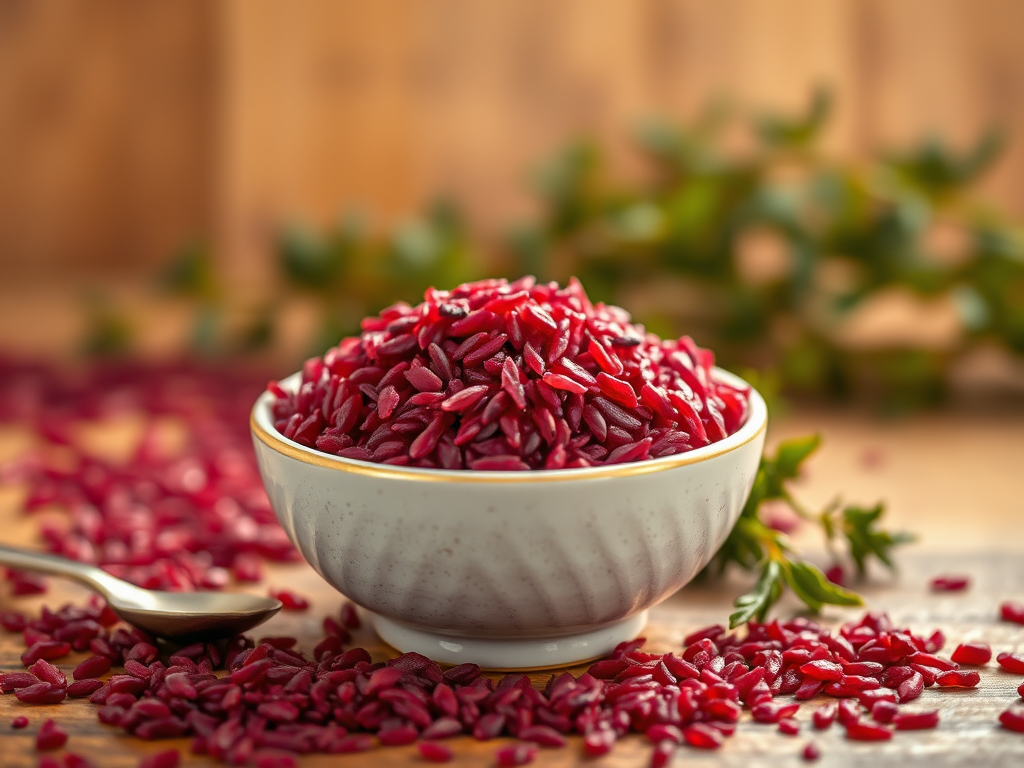
Red yeast rice is a traditional Chinese medicinal product made by fermenting rice with a specific strain of yeast called Monascus purpureus. It has gained popularity as a natural supplement for lowering cholesterol due to its content of monacolin K, a compound chemically identical to the active ingredient in the prescription drug lovastatin (a statin). While red yeast rice may benefit cholesterol management, its safety and effectiveness come with some critical considerations.

  1. Cholesterol-lowering Effects
    • Red yeast rice contains monacolin K, which inhibits the enzyme HMG-CoA reductase, responsible for cholesterol production in the liver. This mechanism is identical to how statins lower cholesterol.
    • Studies have shown that red yeast rice can effectively lower total cholesterol, LDL cholesterol (the “bad” cholesterol), and triglycerides and slightly increase HDL cholesterol (the “good” cholesterol). Some research indicates that it can reduce LDL cholesterol by 20-30%, similar to the effects seen with prescription statins.
    • Meta-analyses and clinical trials: Multiple studies and meta-analyses confirm that red yeast rice supplements can reduce cholesterol levels, especially in people with hypercholesterolemia (high cholesterol). A 2015 review found that red yeast rice significantly lowered LDL cholesterol, total cholesterol, and triglycerides compared to a placebo.
  2. Potential Cardiovascular Benefits
    • By lowering cholesterol, red yeast rice may reduce the risk of heart disease, atherosclerosis, and other cardiovascular issues associated with high cholesterol.
    • Some studies suggest that regular use of red yeast rice may help prevent recurrent heart attacks in individuals with a history of cardiovascular disease.
  3. Additional Compounds
    • In addition to monacolin K, red yeast rice contains other bioactive compounds, such as unsaturated fatty acids, phytosterols, and isoflavones, which may contribute to its cholesterol-lowering and heart-protective effects. These compounds may also provide anti-inflammatory and antioxidant benefits, promoting cardiovascular health.

Safety and Potential Risks of Red Yeast Rice

While red yeast rice can be effective for lowering cholesterol, its use as a supplement comes with safety concerns, especially because it is similar to statins.

1. Risk of Side Effects Similar to Statins

Since monacolin K is chemically identical to lovastatin, red yeast rice can produce the same side effects as prescription statins. Common side effects include:

  • Muscle pain or weakness (myopathy): One of the most commonly reported side effects, which can progress to a more serious condition called rhabdomyolysis if untreated.
  • Liver damage: Red yeast rice can affect liver function, particularly at higher doses. Monitoring liver enzymes is recommended for long-term users or those at risk of liver disease.
  • Gastrointestinal issues: Some people report nausea, bloating, gas, and indigestion when using red yeast rice.

In people sensitive to statins or those with existing health issues, these side effects may be more pronounced.

2. Variability in Supplement Quality

One of the primary concerns with red yeast rice supplements is the inconsistency in the amount of monacolin K across different products. The U.S. Food and Drug Administration (FDA) does not strictly regulate red yeast rice supplements as prescription medications, leading to variability in potency and quality.

  • Some products contain little to no monacolin K, making them ineffective.
  • Others may contain high levels, increasing the risk of side effects similar to prescription statins.

Contaminants: Additionally, poorly produced red yeast rice supplements may contain harmful contaminants, such as citrinin, a byproduct of the fermentation process that is toxic to the kidneys.

3. Possible Drug Interactions

Red yeast rice can interact with several medications, similar to statins. Key interactions include:

  • Other cholesterol-lowering medications: Combining red yeast rice with statins or other cholesterol-lowering drugs can increase the risk of side effects, particularly muscle pain and liver damage.
  • Blood thinners (e.g., warfarin): Red yeast rice may increase the risk of bleeding in people taking anticoagulants.
  • Medications metabolized by the liver: Because red yeast rice affects liver enzymes, it can interfere with how the body processes certain drugs, leading to increased or decreased efficacy.

4. Not Suitable for Everyone

Red yeast rice may not be appropriate for individuals with certain conditions, including:

  • Pregnancy and breastfeeding: Red yeast rice should not be used by pregnant or breastfeeding women due to the lack of research on its safety and potential for harm to the developing baby.
  • Liver or kidney disease: Individuals with liver or kidney problems should avoid red yeast rice due to the risk of further damage.
  • History of statin intolerance: Those who have experienced adverse reactions to statins may experience similar effects with red yeast rice.

Guidelines for Safe Use of Red Yeast Rice

If you are considering using red yeast rice to manage cholesterol, it’s essential to follow these guidelines to maximize safety and effectiveness:

  1. Consult a Healthcare Provider. Before starting red yeast rice, talk to your doctor or a healthcare professional, especially if you are on other medications or have underlying health conditions. A doctor can recommend the proper dosage and monitor for potential side effects, including liver function tests.
  2. Choose High-Quality Supplements. Look for red yeast rice products that have been third-party tested for quality and purity. This can reduce the risk of contaminants like citrinin and ensure the product contains the appropriate amount of monacolin K. Avoid products from unreliable or unverified manufacturers.
  3. Monitor for Side Effects If you experience any signs of muscle pain, weakness, liver issues (such as yellowing of the skin or eyes), or other unusual symptoms, discontinue use and seek medical attention immediately. Regular blood tests for liver function and muscle health are recommended for long-term use.
  4. Follow Recommended Dosage Typical dosages for red yeast rice range from 600 mg to 1,200 mg per day, but this can vary based on the concentration of monacolin K in the product. Avoid taking excessive doses, as this increases the risk of side effects.
  5. Consider Complementary Approaches While red yeast rice can help manage cholesterol, combining it with other lifestyle changes can improve results and reduce the need for supplements. This includes:
    • A heart-healthy diet: Focus on eating more fruits, vegetables, whole grains, and healthy fats (like omega-3s from fish or flaxseed) while reducing saturated fats and cholesterol-rich foods.
    • Exercise: Regular physical activity helps boost HDL cholesterol and improve cardiovascular health.
    • Maintain a healthy weight: Weight management can reduce LDL cholesterol and improve overall heart health.

Conclusion

Red yeast rice can be an effective natural supplement (sponsored) for lowering cholesterol due to its monacolin K content, which works similarly to prescription statins. However, the supplement comes with potential risks, including side effects like muscle pain, liver damage, and drug interactions. The variability in product quality and the potential presence of harmful contaminants like citrinin are also concerns.

For most individuals, it is essential to approach red yeast rice with caution, use it under the guidance of a healthcare professional, and ensure it is part of a broader strategy that includes a heart-healthy diet and regular exercise. If you are sensitive to statins or have underlying health conditions, alternative cholesterol-lowering strategies may be more suitable.

Discover Black Seed Oil: Health Benefits and Uses

Black Seed Oil: Overview and Uses

Black seed oil, also known as Nigella sativa oil or black cumin seed oil, is derived from the seeds of the Nigella sativa plant. This plant has been used for centuries in traditional medicine across various cultures, particularly in the Middle East, Africa, and Asia. It is praised for its broad range of potential health benefits, attributed to its rich composition of active compounds, particularly thymoquinone (TQ), known for its antioxidant, anti-inflammatory, and antimicrobial properties.

As always, it is suggested that supplements can be helpful or necessary for specific populations, including individuals with diagnosed nutrient deficiencies, pregnant women, older adults, people with certain medical conditions, and those following restrictive diets. It’s crucial to consult with a healthcare professional before starting any supplement regimen to ensure it’s appropriate for your individual needs and to avoid potential risks. Black Seed Oil (sponsored) has been shown to have many benefits, as outlined below.

Nutritional Profile of Black Seed Oil

Black seed oil is rich in essential fatty acids, antioxidants, and various bioactive compounds, making it a highly valued natural remedy. The key components include:

  • Thymoquinone: The most potent active compound in black seed oil, known for its antioxidant, anti-inflammatory, and anti-cancer properties.
  • Nigellone: Another bioactive component with anti-histamine properties that helps manage respiratory conditions.
  • Fatty Acids: Black seed oil contains omega-6 and omega-9 fatty acids, which contribute to heart health, skin health, and anti-inflammatory effects.
  • Vitamins and Minerals: Black seed oil is a source of vitamin E and other antioxidants that support skin health and overall wellness.

Health Benefits and Uses of Black Seed Oil

  1. Anti-Inflammatory and Antioxidant Effects One of the most well-documented benefits of black seed oil is its potent anti-inflammatory and antioxidant properties. Thymoquinone plays a crucial role in reducing oxidative stress, which helps protect cells from damage caused by free radicals. This makes black seed oil beneficial for managing chronic inflammation, a root cause of many diseases, including cardiovascular disease, cancer, and autoimmune disorders.
  2. Immune System Support Black seed oil is often used to boost the immune system due to its immune-modulating properties. It has been shown to enhance the body’s defense mechanisms, making it helpful in preventing and fighting infections. The oil’s antimicrobial properties are effective against many pathogens, including bacteria, viruses, and fungi.
  3. Respiratory Health Traditional medicine often uses black seed oil to treat respiratory issues like asthma, bronchitis, and allergies. Thymoquinone’s anti-inflammatory and bronchodilatory effects can help relax bronchial muscles and improve breathing, making it easier for individuals with respiratory conditions to manage their symptoms. Additionally, its antihistamine properties may help alleviate allergic reactions.
  4. Digestive Health Black seed oil has improved digestive health, particularly in bloating, gas, indigestion, and constipation. The oil has mild laxative properties and can help promote regular bowel movements. It may also help protect the stomach lining and reduce symptoms of ulcers by reducing inflammation in the digestive tract.
  5. Cardiovascular Health The omega-6 and omega-9 fatty acids in black seed oil and their antioxidant properties can support heart health by reducing inflammation and cholesterol levels. Studies have suggested that black seed oil may help lower blood pressure and reduce LDL cholesterol, both risk factors for heart disease. Additionally, its anti-inflammatory effects can help prevent atherosclerosis, a condition characterized by the hardening of the arteries.
  6. Blood Sugar Regulation Black seed oil may help regulate blood sugar levels, making it a potential supplement for individuals with type 2 diabetes or those at risk of developing diabetes. Some studies have shown that black seed oil can improve insulin sensitivity and reduce fasting blood sugar levels. Its antioxidant properties also help reduce the oxidative stress often accompanying high blood sugar levels.
  7. Weight Loss and Metabolism Some evidence suggests that black seed oil may support weight loss efforts by improving metabolism and reducing appetite. It may help regulate glucose metabolism, reduce insulin resistance, and decrease the formation of new fat cells. Although black seed oil is not a magic weight loss solution, it can be a helpful addition to a healthy diet and exercise plan.
  8. Skin and Hair Health Black seed oil is commonly used in cosmetic products due to its nourishing properties for skin and hair. It helps to hydrate the skin, reduce inflammation, and combat acne due to its antibacterial properties. For those with eczema, psoriasis, or other inflammatory skin conditions, black seed oil may relieve the skin and reduce itching and redness.

When applied to hair, black seed oil can strengthen hair follicles, reduce hair loss, and promote growth. Its antimicrobial and anti-inflammatory properties may also help treat scalp conditions such as dandruff or scalp infections.

  1. Cancer Prevention and Support Research is still early, but some studies suggest that black seed oil may have anti-cancer properties. The active compound thymoquinone has demonstrated the ability to inhibit the growth of cancer cells in various types of cancer, including breast, prostate, and colon cancer. Its potent antioxidant and anti-inflammatory effects contribute to its potential as a complementary treatment for cancer patients. However, more clinical studies are needed to confirm these effects in humans.
  2. Liver and Kidney Health Black seed oil has been shown to support liver and kidney health by reducing inflammation and oxidative stress in these organs. It may help detoxify the liver, protect against liver damage caused by toxins, and improve overall liver function. Similarly, black seed oil’s antioxidant properties may protect the kidneys from damage caused by various factors, including high blood sugar, toxins, and medications.

How to Use Black Seed Oil

Black seed oil can be used both topically and orally, depending on the intended purpose:

  • Topical Use: Black seed oil can be applied directly to the skin or hair for its cosmetic benefits. It is often diluted with a carrier oil (such as coconut or olive oil) to reduce the risk of irritation. When used on the skin, it can help moisturize, reduce inflammation, and improve the overall texture. Hair can be massaged into the scalp to promote hair health and address scalp issues.
  • Oral Use: Black seed oil can be taken orally in liquid form or capsules. The recommended dosage varies depending on the targeted health condition, but it’s typically 1-2 teaspoons daily for general health and wellness. Some people also mix black seed oil with honey, yogurt, or smoothies to mask its strong taste.

Safety and Side Effects

Black seed oil is generally considered safe when used in moderation. However, some individuals may experience side effects, mainly if they take high doses or use it for an extended period.

Five Top Reasons to Get Enough Sleep

Getting enough sleep helps us all maintain our sanity and beauty

A little reminder from our Guest about sleep:

True silence is the rest of the mind and is to the spirit what sleep is to the body, nourishment and refreshment. William Penn

Remember when your mother harped on you to get more sleep? It turns out she was right. There are many good reasons to get plenty of sleep and to avoid shorting yourself in the hours you need. Don’t believe me? Well, take a look at what the CDC (Center for Disease Control) says is recommended for optimal health.

Newborns up to three months: 14–17 hours

Infants four to 12 months: 12–16 hours

Toddlers one to three years: 11–14 hours

Preschoolers three to five years: 10–13 hours

School-age children six to 12 years: 9–12 hours

Teens 13 to 18 years: 8–10 hours

Adults 18 to 60 years: 7-plus hours

Adults 61 to 64 years: 7–9 hours

Adults 65 and older: 7–8 hours

Now I’m not telling you to set the alarm, because everyone’s biological clock is slightly different. But if you are coming in short of the advised hours, you should try and stay in bed and get some quality sleep as long as you can. Good sleep can be improved by sleeping in a dark room. Use blackout shades if you must, or even consider a sleep mask if your room is too bright.

Having a comfortable bed is another big factor in getting enough sleep. The more you toss and turn, the less time your body will have to get into REM sleep, which you need to relax and calm your body.

Reason One – Lower The Possibility of Weight Gain

Strangely enough, working more, or at least sleeping less, tends to lead to weight gain. Poor sleep patterns and stress have been shown to have a profound effect on the body. In a recent study at the University of Colorado, participants restricted to a five-hour nightly sleep pattern gained an average of two pounds in just one week.

Part of that can be attributed to hormonal changes, including the regulation of leptin, which sleep deprivation reduces. And the hormone ghrelin, which sleep-deprivation activates. Ghrelin triggers the feeling of being hungry. See where I’m going with this?

When you don’t get enough sleep, your body can’t regulate your food intake correctly. It’s not that you’re that hungry; it’s just that your body is confused.

Reason Two – Improve Concentration and Performance

Study’s show that a child’s sleep patterns impact their academic performance and behavior. The less sleep they get, the more likely they are to fall behind in school. Studies on adults point to similar effects on work performance.

If you need more convincing, according to surveys in 2018 and 2019, a lack of sleep had a direct effect on sexual desire in both men and women. Twenty percent of women said they were too tired at night for sex, and medical studies show that a man’s testosterone level can fall by up to 20 percent at night after a lack of sleep during the prior week.

Sleeplessness has an impact on the brain’s frontal lobe, which maintains complex judgment calls. Study’s have found that after even a single sleepless night, men overestimated women’s interest in sex. You’ve been warned.

Reason Three – Improved Immune System

Research shows that there is a direct correlation between good sleep and the body’s ability to repair itself. The immune system fights off colds and viruses and is stronger when it has a chance to rejuvenate itself.

Getting adequate sleep helps reduce inflammation in the body and protects us all from its effects. Unfortunately, studies have now shown that sleep deprivation contributes to diseases, and in turn, many of those diseases contribute to sleep deprivation. It’s a vicious circle. Beat the bugs by getting enough sleep!

Reason Four – Greater Emotional Intelligence

Ever stay up late for nights on end trying to get ready for a test or business presentation? Did it help? Often, the lack of sleep hurts your test scores. And, it can put a crimp in your work performance too.

When you don’t get enough sleep, you may feel cranky and be less able to understand other people and empathize with them. Which impacts how you view people, and also how you interpret their reaction to whatever you might be presenting to them at work.

When you are tired, you miss the emotional signs that help you make good decisions. How might that impact a personal relationship? Yes, not well.

Reason Five – Preventing Depression

Our sleep patterns greatly impact our overall mental health. Studies in the US and New Zealand show that there is a likely link between a lack of sleep and depression. Unfortunately, studies also show that a lack of sleep is also a contributing factor in a significant number of deaths by suicide.

Sleep is a vital part of life. It can make us happier, more energetic and athletic, and give us sharper focus for mental tasks. It can even make us look better.

When we are tired, we look a bit off. When rested, we look and feel better. And there’s proof! Sleep deprivation can interfere with collagen production, which we all need to maintain healthy skin and look better. A lack of collagen production can weaken our skin, making it taught and rigid. You can help keep it supple and youthful with adequate sleep. Your read it here first!

Design a site like this with WordPress.com
Get started