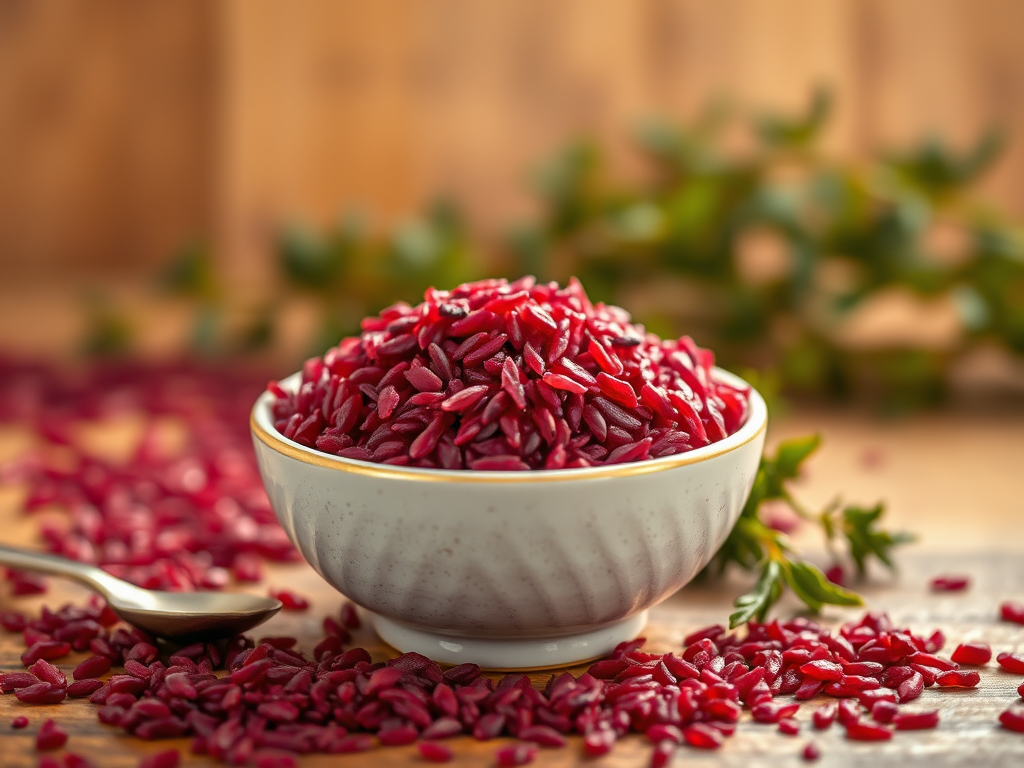
Red yeast rice is a traditional Chinese medicinal product made by fermenting rice with a specific strain of yeast called Monascus purpureus. It has gained popularity as a natural supplement for lowering cholesterol due to its content of monacolin K, a compound chemically identical to the active ingredient in the prescription drug lovastatin (a statin). While red yeast rice may benefit cholesterol management, its safety and effectiveness come with some critical considerations.
- Cholesterol-lowering Effects
- Red yeast rice contains monacolin K, which inhibits the enzyme HMG-CoA reductase, responsible for cholesterol production in the liver. This mechanism is identical to how statins lower cholesterol.
- Studies have shown that red yeast rice can effectively lower total cholesterol, LDL cholesterol (the “bad” cholesterol), and triglycerides and slightly increase HDL cholesterol (the “good” cholesterol). Some research indicates that it can reduce LDL cholesterol by 20-30%, similar to the effects seen with prescription statins.
- Meta-analyses and clinical trials: Multiple studies and meta-analyses confirm that red yeast rice supplements can reduce cholesterol levels, especially in people with hypercholesterolemia (high cholesterol). A 2015 review found that red yeast rice significantly lowered LDL cholesterol, total cholesterol, and triglycerides compared to a placebo.
- Potential Cardiovascular Benefits
- By lowering cholesterol, red yeast rice may reduce the risk of heart disease, atherosclerosis, and other cardiovascular issues associated with high cholesterol.
- Some studies suggest that regular use of red yeast rice may help prevent recurrent heart attacks in individuals with a history of cardiovascular disease.
- Additional Compounds
- In addition to monacolin K, red yeast rice contains other bioactive compounds, such as unsaturated fatty acids, phytosterols, and isoflavones, which may contribute to its cholesterol-lowering and heart-protective effects. These compounds may also provide anti-inflammatory and antioxidant benefits, promoting cardiovascular health.
Safety and Potential Risks of Red Yeast Rice
While red yeast rice can be effective for lowering cholesterol, its use as a supplement comes with safety concerns, especially because it is similar to statins.
1. Risk of Side Effects Similar to Statins
Since monacolin K is chemically identical to lovastatin, red yeast rice can produce the same side effects as prescription statins. Common side effects include:
- Muscle pain or weakness (myopathy): One of the most commonly reported side effects, which can progress to a more serious condition called rhabdomyolysis if untreated.
- Liver damage: Red yeast rice can affect liver function, particularly at higher doses. Monitoring liver enzymes is recommended for long-term users or those at risk of liver disease.
- Gastrointestinal issues: Some people report nausea, bloating, gas, and indigestion when using red yeast rice.
In people sensitive to statins or those with existing health issues, these side effects may be more pronounced.
2. Variability in Supplement Quality
One of the primary concerns with red yeast rice supplements is the inconsistency in the amount of monacolin K across different products. The U.S. Food and Drug Administration (FDA) does not strictly regulate red yeast rice supplements as prescription medications, leading to variability in potency and quality.
- Some products contain little to no monacolin K, making them ineffective.
- Others may contain high levels, increasing the risk of side effects similar to prescription statins.
Contaminants: Additionally, poorly produced red yeast rice supplements may contain harmful contaminants, such as citrinin, a byproduct of the fermentation process that is toxic to the kidneys.
3. Possible Drug Interactions
Red yeast rice can interact with several medications, similar to statins. Key interactions include:
- Other cholesterol-lowering medications: Combining red yeast rice with statins or other cholesterol-lowering drugs can increase the risk of side effects, particularly muscle pain and liver damage.
- Blood thinners (e.g., warfarin): Red yeast rice may increase the risk of bleeding in people taking anticoagulants.
- Medications metabolized by the liver: Because red yeast rice affects liver enzymes, it can interfere with how the body processes certain drugs, leading to increased or decreased efficacy.
4. Not Suitable for Everyone
Red yeast rice may not be appropriate for individuals with certain conditions, including:
- Pregnancy and breastfeeding: Red yeast rice should not be used by pregnant or breastfeeding women due to the lack of research on its safety and potential for harm to the developing baby.
- Liver or kidney disease: Individuals with liver or kidney problems should avoid red yeast rice due to the risk of further damage.
- History of statin intolerance: Those who have experienced adverse reactions to statins may experience similar effects with red yeast rice.
Guidelines for Safe Use of Red Yeast Rice
If you are considering using red yeast rice to manage cholesterol, it’s essential to follow these guidelines to maximize safety and effectiveness:
- Consult a Healthcare Provider. Before starting red yeast rice, talk to your doctor or a healthcare professional, especially if you are on other medications or have underlying health conditions. A doctor can recommend the proper dosage and monitor for potential side effects, including liver function tests.
- Choose High-Quality Supplements. Look for red yeast rice products that have been third-party tested for quality and purity. This can reduce the risk of contaminants like citrinin and ensure the product contains the appropriate amount of monacolin K. Avoid products from unreliable or unverified manufacturers.
- Monitor for Side Effects If you experience any signs of muscle pain, weakness, liver issues (such as yellowing of the skin or eyes), or other unusual symptoms, discontinue use and seek medical attention immediately. Regular blood tests for liver function and muscle health are recommended for long-term use.
- Follow Recommended Dosage Typical dosages for red yeast rice range from 600 mg to 1,200 mg per day, but this can vary based on the concentration of monacolin K in the product. Avoid taking excessive doses, as this increases the risk of side effects.
- Consider Complementary Approaches While red yeast rice can help manage cholesterol, combining it with other lifestyle changes can improve results and reduce the need for supplements. This includes:
- A heart-healthy diet: Focus on eating more fruits, vegetables, whole grains, and healthy fats (like omega-3s from fish or flaxseed) while reducing saturated fats and cholesterol-rich foods.
- Exercise: Regular physical activity helps boost HDL cholesterol and improve cardiovascular health.
- Maintain a healthy weight: Weight management can reduce LDL cholesterol and improve overall heart health.
Conclusion
Red yeast rice can be an effective natural supplement (sponsored) for lowering cholesterol due to its monacolin K content, which works similarly to prescription statins. However, the supplement comes with potential risks, including side effects like muscle pain, liver damage, and drug interactions. The variability in product quality and the potential presence of harmful contaminants like citrinin are also concerns.
For most individuals, it is essential to approach red yeast rice with caution, use it under the guidance of a healthcare professional, and ensure it is part of a broader strategy that includes a heart-healthy diet and regular exercise. If you are sensitive to statins or have underlying health conditions, alternative cholesterol-lowering strategies may be more suitable.
 Nature's Holistic Care