Unlocking the Benefits of Intermittent Fasting

Intermittent fasting (IF) may not seem new for those who skip breakfast. Still, because marketing geniuses from the breakfast cereal industry have told us for decades that a “healthy” breakfast starts with sugared flakes and squares from a box, many of us crave breakfast when we wake up. I do. Right after I get my coffee fix, which may not be necessary physiologically, but my brain says otherwise and usually runs the show.

Studies show students score higher when they have enjoyed healthy food choices before school, and the word breakfast translates to “Breaking the fast” after a night of sleep. So eating soon after waking makes sense. Unfortunately, sugary breakfasts or heavy carb and meat choices tend to bog us down soon after eating. Ideally, a choice like oatmeal that doesn’t cause a sugar rush and lasts for hours would be ideal. But let’s get back to zero breakfast ideas.

 Intermittent fasting is a popular dietary strategy that alternates between periods of eating and fasting. Rather than focusing on what to eat, IF emphasizes when to eat. Proponents claim it can help lose weight, improve metabolic health, and extend lifespan. Its appeal lies in its simplicity and flexibility, as it doesn’t require counting calories or following a restrictive diet. IF taps into our evolutionary past, where food availability was inconsistent, and fasting was a natural part of life.

Types of Intermittent Fasting

There are several different ways to practice intermittent fasting, each with varying fasting and eating windows:

  1. 16/8 Method: One of the most common and sustainable methods that I have found and use myself is this approach. It involves fasting for 16 hours daily and limiting my eating window to 8 hours. You can set any time you like, but I skip breakfast and eat from noon until 8 p.m. It’s popular because it fits into daily life without requiring significant adjustments.
  2. 5:2 Diet: On the 5:2 diet, participants usually eat five days a week and drastically reduce calorie intake to around 500-600 calories on the remaining two days. These fasting days, such as Monday and Thursday, are typically non-consecutive, allowing for flexibility.
  3. Eat-Stop-Eat: This involves a 24-hour fast once or twice weekly. For example, you might finish dinner at 7 p.m. and not eat again until 7 p.m. the next day. This method can be more challenging but offers a more extended fasting period, which may enhance benefits.
  4. Alternate-Day Fasting: As the name suggests, alternate-day fasting involves fasting every other day. Some variations allow a small number of calories (around 500) on fasting days, while others require complete fasting. This can be a rigorous method, and adherence is often a challenge.
  5. Warrior Diet: The Warrior Diet involves eating small amounts of raw fruits and vegetables during the day and having one large meal at night. The eating window is typically around four hours in the evening, making this method one of the most extreme forms of intermittent fasting.
  6. Spontaneous Meal Skipping: Instead of following a strict schedule, some people skip meals when they’re not hungry or don’t have time to eat. This informal approach can be easier to integrate into daily life, as it doesn’t require planning.

How Intermittent Fasting Works

When we eat, the body uses the calories from the meal for immediate energy, especially glucose. Insulin levels rise to help transport glucose into the cells for energy or storage. When fasting, insulin levels drop, signaling the body to burn stored energy (fat). This metabolic shift is the foundation of the weight loss and metabolic health benefits often associated with intermittent fasting.

During fasting periods, the body transitions into a state known as ketosis, where it begins to break down fat into fatty acids and ketones for energy. This state is similar to a ketogenic diet, which encourages fat metabolism. However, with IF, this metabolic switch occurs periodically rather than constantly, which some researchers argue makes it more sustainable in the long term.

Benefits of Intermittent Fasting

  1. Weight Loss and Fat Loss: One of the primary reasons people turn to intermittent fasting is weight loss. By restricting eating to certain windows, overall calorie intake is often reduced, leading to weight loss. Additionally, fasting periods encourage the body to use fat for energy, which can further accelerate fat loss. Studies suggest that IF can be as effective for weight loss as traditional calorie restriction diets, with some finding it even easier to stick to.
  2. Improved Insulin Sensitivity: IF can reduce insulin resistance, lower blood sugar levels, and protect against Type 2 diabetes. By allowing insulin levels to drop, the body becomes more sensitive to insulin, improving how it processes glucose and reducing the risk of developing metabolic diseases.
  3. Cellular Repair and Autophagy: Fasting triggers cellular repair processes, including autophagy. Autophagy is the body’s way of cleaning out damaged cells and regenerating new, healthy ones. This process is critical in protecting against diseases like cancer and Alzheimer’s, as it removes dysfunctional components that can accumulate over time.
  4. Heart Health: Intermittent fasting can improve various risk factors for heart disease, including lowering LDL cholesterol, reducing triglycerides, decreasing blood pressure, and reducing inflammation. These improvements collectively reduce the risk of cardiovascular diseases, which are a leading cause of death worldwide.
  5. Brain Health and Longevity: Fasting may benefit brain health by promoting the production of a brain-derived neurotrophic factor (BDNF), which is essential for learning, memory, and cognitive function. Low levels of BDNF are linked to conditions like depression and cognitive decline. Moreover, fasting has been shown to increase the brain’s resistance to stress and neurodegeneration, potentially reducing the risk of diseases like Alzheimer’s and Parkinson’s.
  6. Increased Human Growth Hormone (HGH): Fasting has been shown to increase levels of human growth hormone (HGH), which plays a crucial role in fat loss, muscle gain, and overall metabolic health. Higher HGH levels can aid in weight loss, recovery, and muscle preservation, particularly during periods of caloric deficit.
  7. Simplified Eating and Improved Focus: One unexpected benefit of intermittent fasting is the simplicity it brings to daily life. By reducing the number of meals, meal planning and preparation become easier. Additionally, many people report improved focus and mental clarity during fasting periods, as they aren’t distracted by food or digestion.

Potential Downsides and Risks

While intermittent fasting has many potential benefits, it may not suit everyone. I do get hungry in the morning, but the better my choices for my later meals, the less effect I notice.

Some common concerns and potential risks include:

  1. Hunger and Cravings: One of the most immediate challenges of intermittent fasting is hunger, especially during the early days of adjusting to a new eating pattern. For some, this can lead to overeating during the eating window, which may counteract any potential benefits.
  2. Disordered Eating: For people with a history of eating disorders, intermittent fasting may exacerbate unhealthy relationships with food. The rigidity of fasting schedules could trigger obsessive behaviors around food and eating patterns.
  3. Fatigue and Irritability: During fasting periods, particularly in the beginning, many people experience fatigue, irritability, and difficulty concentrating. These symptoms often subside as the body adapts to the new eating pattern, but they can be a significant barrier to maintaining the routine. Instead of jumping into something at full speed, work your way up to your chosen total fast hours. Start with an extra hour of fast for a few days, then add a second hour and so on.
  4. Nutrient Deficiencies: Intermittent fasting, especially when combined with calorie restriction, could lead to nutrient deficiencies. To avoid this, it is important to focus on nutrient-dense foods while eating windows and ensure that all essential vitamins and minerals are consumed.
  5. Hormonal Changes: IF can affect hormones, particularly in women. Some research suggests that fasting may disrupt the menstrual cycle and fertility, particularly when combined with excessive calorie restriction or extreme exercise. Women considering intermittent fasting should pay close attention to how it affects their bodies and adjust accordingly.
  6. Exercise Performance: Some people find fasting negatively impacts their energy levels during workouts, particularly high-intensity or endurance exercises. However, others report improved performance, especially when their body becomes fat-adapted and more efficient at using fat as fuel.

Conclusion

Intermittent fasting is a flexible and practical approach to weight management, metabolic health, and potentially increasing longevity. By incorporating fasting periods, the body can tap into its fat stores and undergo various beneficial processes such as autophagy, insulin sensitivity, and improved heart and brain health. However, intermittent fasting is not a one-size-fits-all approach. Before starting, individuals must consider their unique needs, goals, and potential risks and consult with healthcare professionals if necessary.

For those who find it sustainable, intermittent fasting can be a simple yet powerful tool for improving overall health and wellness.

The Benefits of Choosing Natural Makeup

In today’s beauty-driven world, makeup has become essential to many people’s daily routines. Makeup allows individuals to enhance their features, boost confidence, and express their style. While conventional makeup products have dominated the market for decades, there is a growing movement toward natural makeup. Consumers are increasingly conscious of the ingredients in their products, leading to a shift in the beauty industry. Natural makeup, free from harmful chemicals and focused on natural ingredients, is gaining popularity for its numerous benefits to beauty and health. This article will explore the importance of natural makeup, its ingredients, and how it contributes to overall health.

The Rise of Natural Makeup

The natural makeup trend is more than just a fleeting fashion; it’s a response to the growing awareness about the potential harm caused by synthetic chemicals commonly found in conventional cosmetics. Traditional makeup products often contain parabens, phthalates, sulfates, and synthetic fragrances. These chemicals have been linked to various health issues, including hormone disruption, allergic reactions, and even certain cancers. As a result, many consumers are seeking alternatives that are safe for their skin and align with their values, such as sustainability and cruelty-free practices.

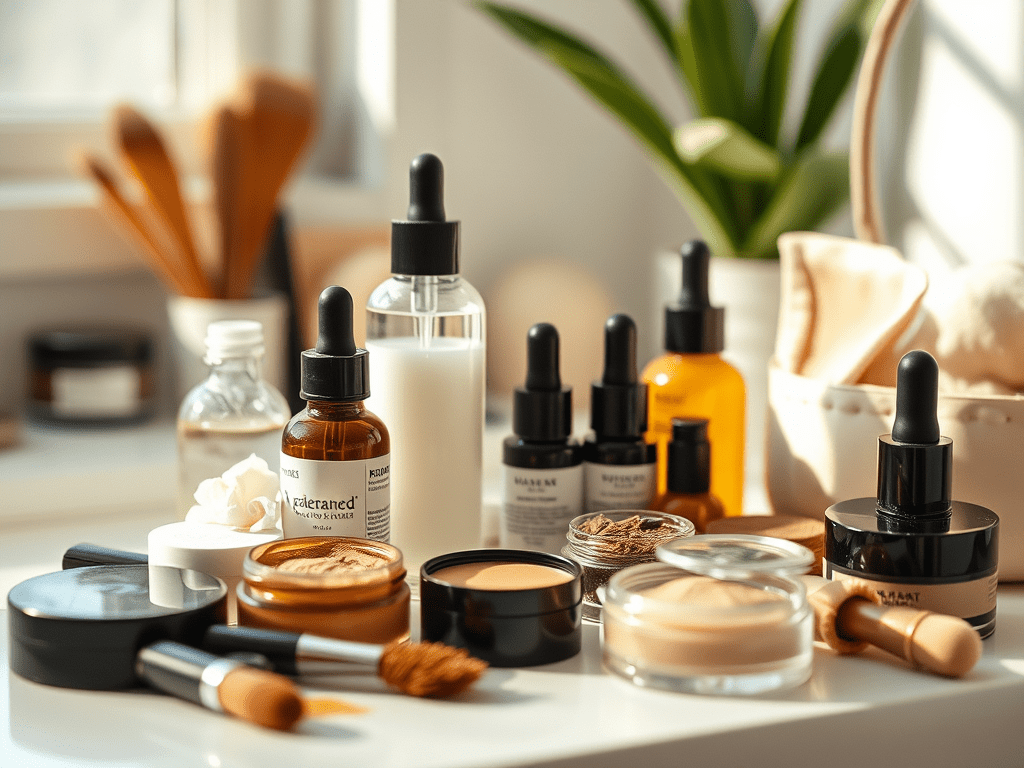
Natural makeup products are formulated using ingredients derived from plants, minerals, and other natural sources. These ingredients are often gentler on the skin and less likely to cause irritation or allergic reactions. Additionally, natural makeup brands often prioritize environmentally friendly practices, using sustainable packaging, and avoiding animal testing, making them an attractive option for eco-conscious consumers. There are a number of excellent, natural makeup producers like Gaya (sponsored), which prides itself on vegan and clean beauty.

Key Ingredients in Natural Makeup

Natural makeup products rely on a range of botanical and mineral ingredients that provide beautiful results and skin-nourishing benefits. Here are some of the most common natural ingredients found in these products:

  1. Plant Oils: Natural makeup formulations frequently use oils like jojoba, coconut, and argan. These oils are rich in vitamins and essential fatty acids, which help to hydrate and nourish the skin. They create a smooth, dewy finish while protecting the skin from environmental stressors.
  2. Shea Butter: Derived from the nuts of the African shea tree, shea butter is a popular ingredient in natural makeup products. It is deeply moisturizing and contains antioxidants that help combat signs of aging. Shea butter is often used in lipsticks, foundations, and moisturizers to provide a smooth texture and long-lasting hydration.
  3. Mineral Pigments: Instead of using synthetic dyes, natural makeup brands often rely on minerals like iron oxides, titanium dioxide, and zinc oxide for color. These minerals provide vibrant, long-lasting pigmentation and are non-comedogenic, meaning they won’t clog pores. Additionally, zinc oxide and titanium dioxide offer sun protection, making them ideal for products like foundation and sunscreen.
  4. Aloe Vera: Known for its soothing properties, aloe vera is a common ingredient in natural makeup and skincare products. It helps to calm irritated skin, reduce redness, and provide hydration. Aloe vera is often used in primers, foundations, and setting sprays to create a smooth, even base while keeping the skin comfortable.
  5. Green Tea Extract: Green tea is packed with antioxidants, which help protect the skin from free radicals and environmental damage. In natural makeup, green tea extract reduces inflammation and soothes sensitive skin. It’s a great ingredient for acne-prone or easily irritated skin.
  6. Beeswax: A natural emollient, beeswax helps to lock in moisture and create a protective barrier on the skin. It is commonly used in natural lipsticks, mascaras, and eyebrow products to provide long-lasting wear without synthetic binders or preservatives.

Health Benefits of Using Natural Makeup

  1. Reduced Exposure to Harmful Chemicals

One of the primary reasons people choose natural makeup is to avoid harmful chemicals. Traditional makeup products can contain a cocktail of synthetic ingredients, many of which have been linked to adverse health effects. For example, parabens, which are used as preservatives in many cosmetics, have been found to mimic estrogen in the body, potentially disrupting hormonal balance. Phthalates, another common ingredient, have been linked to reproductive issues. By switching to natural makeup, individuals can significantly reduce their exposure to these harmful chemicals.

  1. Gentler on Sensitive Skin

Many people suffer from sensitive skin, which can be easily irritated by the harsh chemicals found in conventional makeup. Ingredients like alcohol, synthetic fragrances, and preservatives can cause redness, itching, and breakouts. On the other hand, natural makeup products are formulated with gentle, skin-soothing ingredients like aloe vera, chamomile, and calendula. These ingredients help calm inflammation and reduce the risk of irritation, making natural makeup an excellent option for sensitive or reactive skin.

  1. Non-Comedogenic

Clogged pores are a common concern for makeup wearers, especially those with oily or acne-prone skin. Many traditional makeup products contain heavy oils and waxes that can clog pores and lead to breakouts. Natural makeup, however, is often formulated with non-comedogenic ingredients that allow the skin to breathe. Mineral-based foundations and powders, for example, provide excellent coverage without causing congestion in the pores. This can help prevent acne and keep the skin clear and healthy.

  1. Anti-Aging Properties

Many natural makeup ingredients offer more than just cosmetic benefits – they also have skincare benefits that can help reduce the signs of aging. Antioxidants like vitamin E, green tea extract, and rosehip oil help to protect the skin from free radical damage, which can accelerate the aging process. Natural oils and butter also provide deep hydration, essential for maintaining youthful, plump skin. By using natural makeup products, individuals can enhance their appearance while nourishing and protecting their skin for the long term.

  1. Sun Protection

Mineral-based natural makeup products, such as those containing zinc oxide and titanium dioxide, offer a built-in SPF. These minerals provide broad-spectrum protection against UVA and UVB rays, helping prevent sun damage and reduce the risk of skin cancer. Unlike chemical sunscreens, which can be absorbed into the skin and potentially disrupt hormones, mineral sunscreens sit on top of the skin and reflect UV rays. This makes them a safer, more practical option for sun protection.

  1. Support for Ethical and Sustainable Practices

Many natural makeup brands prioritize ethical and sustainable practices, which can positively impact both individual health and the environment. For example, brands that use organic ingredients are helping to reduce the use of pesticides and other harmful chemicals in agriculture. Additionally, many natural makeup companies avoid animal testing and use cruelty-free ingredients, making them a more ethical choice for consumers who care about animal welfare. Sustainable packaging, such as recyclable or biodegradable materials, also helps to reduce the environmental impact of beauty products.

Why Natural Makeup is Important for Health

The importance of natural makeup for health cannot be overstated. The skin is the body’s largest organ, acting as a barrier to protect us from external threats like bacteria, pollutants, and UV radiation. However, the skin is also permeable, meaning that some substances applied to it can be absorbed into the bloodstream. This is why the ingredients in makeup and skincare products matter.

  1. Avoiding Toxic Build-Up in the Body

When we use conventional makeup products, the chemicals they contain can accumulate in our bodies over time. Studies have shown that certain chemicals in cosmetics, such as phthalates and parabens, can be detected in human urine and blood samples. This toxic build-up has been linked to a range of health issues, including hormone disruption, reproductive problems, and even certain cancers. By choosing natural makeup, we can reduce exposure to these harmful chemicals and lower the risk of long-term health problems.

  1. Hormonal Health

Many synthetic ingredients in conventional makeup products can disrupt the endocrine system, which regulates hormones in the body. Parabens, phthalates, and synthetic fragrances are all known to interfere with hormone production, leading to issues like infertility, irregular menstrual cycles, and an increased risk of hormone-related cancers. Natural makeup products are free from these hormone-disrupting chemicals, making them safer for maintaining hormonal health.

  1. Allergic Reactions and Skin Sensitivity

As mentioned earlier, many people experience allergic reactions or skin sensitivity when using traditional makeup products. These reactions can range from mild irritation to severe dermatitis, depending on the individual’s sensitivity to certain ingredients. Natural makeup, focusing on gentle, plant-based ingredients, is less likely to cause allergic reactions. By using natural makeup, individuals with sensitive skin can avoid flare-ups and maintain healthier skin overall.

  1. Mental and Emotional Well-Being

In addition to physical health benefits, natural makeup can also contribute to mental and emotional well-being. Many people find comfort in knowing their products are safe, ethical, and environmentally friendly. This alignment with their values can increase self-esteem and a more positive outlook. Additionally, natural makeup can help individuals feel more connected to nature and the environment, promoting a sense of mindfulness and balance.

Conclusion

Natural makeup is more than just a beauty trend—it is a movement toward healthier, more ethical personal care choices. By choosing products free from harmful chemicals and rich in skin-nourishing ingredients, individuals can protect their health, enhance their natural beauty, and support themselves .

Understanding Kidney Health: Why Hydration Matters

I live in a very hot climate. Just walking around the block can be a challenge when it’s 115 degrees. So, I do a lot of hydrating, from fruit smoothies to Kabocha, to the occasion seltzer or soda. You should also be eating fruits and vegetables with high water content like strawberries, watermelon, cantaloupe, peaches, oranges, and cucumbers because the truth is that we all take our kidneys for granted. Mostly they just need plenty of water.

Yes, our kidneys work very hard every day to maintain overall health. Despite their small size (each kidney is about the size of a fist), they perform several crucial and complex functions that keep the body’s internal environment stable and balanced. The kidneys are vital organs in the urinary system, filtering waste products from the blood, regulating electrolytes, balancing fluids, and even playing a role in hormone production.

If you’ve been taking your kidneys for granted, don’t feel bad. We all do that from time to time. And while you’re eating better and hydrating, you might want to consider a sponsored kidney cleanse supplement before getting a closer look at how hard the kidneys work. As with all changes you initiate with your body from herbs to supplements to drug routines, you should talk to your doctor first.

Critical Functions of the Kidneys

  1. Filtering Blood
    • The kidneys filter about 150-180 liters of blood daily but only produce 1-2 liters of urine. They remove waste products, toxins, and excess substances (such as water, salts, and urea) from the blood, concentrate them into the urine, and then excrete them.
    • Nephrons, the tiny kidney filtering units, are responsible for this task. Each kidney contains around 1 million nephrons. This vast number of nephrons ensures that the kidneys can efficiently filter blood and remove waste.
  2. Regulating Fluid and Electrolyte Balance
    • Kidneys regulate the body’s fluid levels by controlling how much water is reabsorbed into the bloodstream and how much is excreted in urine.
    • They also maintain electrolyte balance, managing critical minerals like sodium, potassium, calcium, and magnesium, essential for various bodily functions, including nerve transmission, muscle function, and blood pressure regulation.
  3. Maintaining Acid-Base Balance
    • The kidneys help regulate the body’s pH levels by excreting hydrogen ions (which are acidic) and reabsorbing bicarbonate (a buffer that neutralizes acid). This ensures that the blood’s pH stays within a narrow range, critical for all enzymatic and metabolic processes in the body.
  4. Regulating Blood Pressure
    • The kidneys help regulate blood pressure by controlling the balance of salt and water in the body and releasing the enzyme renin. Renin helps regulate the contraction and relaxation of blood vessels, affecting blood pressure.
    • The renin-angiotensin-aldosterone system (RAAS), partially controlled by the kidneys, plays a critical role in long-term blood pressure regulation.
  5. Producing Hormones
    • Erythropoietin: The kidneys produce this hormone, which stimulates the production of red blood cells in the bone marrow. This is especially important when oxygen levels in the blood are low.
    • Calcitriol: This is the active form of vitamin D, produced by the kidneys. Calcitriol helps regulate calcium levels in the blood and supports bone health.
    • Renin: As mentioned earlier, this hormone is part of the process that helps control blood pressure.
  6. Detoxification
    • In addition to filtering waste from normal metabolic processes, the kidneys help remove toxins from food, drugs, and environmental pollutants, preventing their buildup in the body.
  7. Balancing Blood Osmolarity
    • The kidneys ensure that the concentration of solutes (salts, glucose, and other particles) in the blood is within a specific range. This balance is critical for maintaining the health of cells and tissues throughout the body.

How Hard the Kidneys Work: Daily Effort

The workload of the kidneys is continuous and vital to sustaining life. Given the complexity of their functions, kidneys are always active, whether you are awake or asleep. Their role in filtering blood and maintaining homeostasis is demanding, mainly because they:

  • Filter about 50 gallons (150 liters) of blood each day.
  • Produce urine from excess waste and fluids.
  • Constantly adjust to the body’s changing needs, such as eating, drinking, or engaging in physical activity.

Factors That Increase Kidney Workload

Several factors can increase the workload of the kidneys or challenge their ability to function efficiently. While the kidneys are resilient, prolonged stress can lead to kidney damage over time. Some of these factors include:

  1. High Blood Pressure (Hypertension)
    • High blood pressure forces the kidneys to work harder to filter blood, which can damage the delicate blood vessels in the nephrons. Over time, this can lead to chronic kidney disease (CKD).
  2. High Sugar Intake (Diabetes)
    • High blood sugar levels in people with diabetes can damage the small blood vessels in the kidneys. This makes it harder for the kidneys to filter blood properly and can eventually lead to diabetic nephropathy (kidney damage due to diabetes).
  3. High Protein Diets
    • Consuming large amounts of protein increases the workload of the kidneys because they must filter and excrete the nitrogenous waste products (mainly urea) that result from protein metabolism.
    • Although moderate protein intake is not harmful to healthy kidneys, excessive protein intake over time can stress the kidneys.
  4. Dehydration
    • Not drinking enough water can make it harder for the kidneys to flush out waste products, leading to more concentrated urine. Chronic dehydration can lead to kidney stones and other complications.
  5. Toxins and Medications
    • Certain medications, especially when taken long-term (e.g., NSAIDs like ibuprofen), as well as alcohol and certain toxins, can stress the kidneys and potentially lead to damage if not used carefully.
  6. High Salt Diets
    • Excessive sodium intake can increase blood pressure and the kidneys’ work to maintain fluid and electrolyte balance.

Signs Your Kidneys Are Under Stress

When the kidneys are struggling or under stress, some warning signs may appear, although kidney disease can often progress without obvious symptoms until it is advanced. Signs that your kidneys may be working too hard or not functioning properly include:

  • Fatigue and weakness (due to low red blood cell count or anemia caused by reduced erythropoietin production).
  • Swelling (edema), especially in the legs, ankles, feet, or hands, due to fluid retention.
  • Changes in urination: Decreased or increased urine output, dark-colored or foamy urine, or pain during urination.
  • High blood pressure is a sign that the kidneys are not effectively regulating blood pressure.
  • Nausea, vomiting, or loss of appetite: These can be symptoms of uremia, a buildup of waste products in the blood due to kidney dysfunction.
  • Itching or dry skin: This is related to the accumulation of waste products that the kidneys can no longer filter properly.

How to Support Your Kidneys

To keep your kidneys functioning optimally and reduce their workload, consider the following strategies:

  1. Stay Hydrated: Drinking plenty of water helps the kidneys filter waste effectively and prevents kidney stones.
  2. Eat a Balanced Diet: Limit excess salt, sugar, and unhealthy fats. Focus on whole grains, fruits, vegetables, and lean proteins.
  3. Monitor Blood Pressure: Keep your blood pressure in check to reduce the strain on your kidneys.
  4. Control Blood Sugar: If you have diabetes, managing blood sugar levels is critical for protecting your kidneys.
  5. Limit Alcohol and Avoid Smoking: Both alcohol and smoking can damage the kidneys over time.
  6. Exercise Regularly: Physical activity helps maintain a healthy weight, supports heart health, and reduces the risk of kidney damage.
  7. Avoid Overuse of NSAIDs: Prolonged use of nonsteroidal anti-inflammatory drugs (like ibuprofen) can harm the kidneys, so use them sparingly and consult a doctor for long-term pain management.

Conclusion

Our kidneys perform vital and complex tasks essential for overall health, from filtering waste to balancing fluids and electrolytes. While they are highly efficient and resilient, they can become overworked due to factors like poor diet, dehydration, or chronic health conditions like diabetes and hypertension. By adopting kidney-friendly habits such as staying hydrated, eating a balanced diet, exercising, and avoiding harmful substances, you can support your kidneys in their hard work and ensure they function optimally for a lifetime.

Other high-water content foods to considerer include celery, zucchini, lettuce, tomatoes, bell peppers, and cauliflower.

Red Yeast Rice: Natural Cholesterol Management for Heart Health

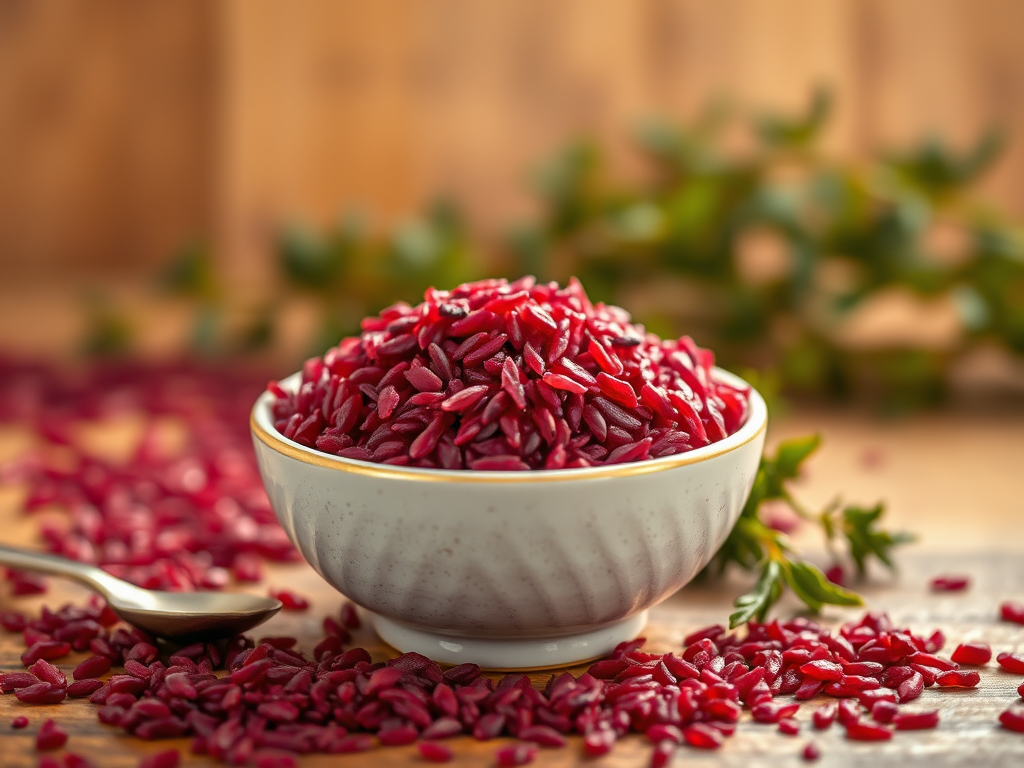
Red yeast rice is a traditional Chinese medicinal product made by fermenting rice with a specific strain of yeast called Monascus purpureus. It has gained popularity as a natural supplement for lowering cholesterol due to its content of monacolin K, a compound chemically identical to the active ingredient in the prescription drug lovastatin (a statin). While red yeast rice may benefit cholesterol management, its safety and effectiveness come with some critical considerations.

  1. Cholesterol-lowering Effects
    • Red yeast rice contains monacolin K, which inhibits the enzyme HMG-CoA reductase, responsible for cholesterol production in the liver. This mechanism is identical to how statins lower cholesterol.
    • Studies have shown that red yeast rice can effectively lower total cholesterol, LDL cholesterol (the “bad” cholesterol), and triglycerides and slightly increase HDL cholesterol (the “good” cholesterol). Some research indicates that it can reduce LDL cholesterol by 20-30%, similar to the effects seen with prescription statins.
    • Meta-analyses and clinical trials: Multiple studies and meta-analyses confirm that red yeast rice supplements can reduce cholesterol levels, especially in people with hypercholesterolemia (high cholesterol). A 2015 review found that red yeast rice significantly lowered LDL cholesterol, total cholesterol, and triglycerides compared to a placebo.
  2. Potential Cardiovascular Benefits
    • By lowering cholesterol, red yeast rice may reduce the risk of heart disease, atherosclerosis, and other cardiovascular issues associated with high cholesterol.
    • Some studies suggest that regular use of red yeast rice may help prevent recurrent heart attacks in individuals with a history of cardiovascular disease.
  3. Additional Compounds
    • In addition to monacolin K, red yeast rice contains other bioactive compounds, such as unsaturated fatty acids, phytosterols, and isoflavones, which may contribute to its cholesterol-lowering and heart-protective effects. These compounds may also provide anti-inflammatory and antioxidant benefits, promoting cardiovascular health.

Safety and Potential Risks of Red Yeast Rice

While red yeast rice can be effective for lowering cholesterol, its use as a supplement comes with safety concerns, especially because it is similar to statins.

1. Risk of Side Effects Similar to Statins

Since monacolin K is chemically identical to lovastatin, red yeast rice can produce the same side effects as prescription statins. Common side effects include:

  • Muscle pain or weakness (myopathy): One of the most commonly reported side effects, which can progress to a more serious condition called rhabdomyolysis if untreated.
  • Liver damage: Red yeast rice can affect liver function, particularly at higher doses. Monitoring liver enzymes is recommended for long-term users or those at risk of liver disease.
  • Gastrointestinal issues: Some people report nausea, bloating, gas, and indigestion when using red yeast rice.

In people sensitive to statins or those with existing health issues, these side effects may be more pronounced.

2. Variability in Supplement Quality

One of the primary concerns with red yeast rice supplements is the inconsistency in the amount of monacolin K across different products. The U.S. Food and Drug Administration (FDA) does not strictly regulate red yeast rice supplements as prescription medications, leading to variability in potency and quality.

  • Some products contain little to no monacolin K, making them ineffective.
  • Others may contain high levels, increasing the risk of side effects similar to prescription statins.

Contaminants: Additionally, poorly produced red yeast rice supplements may contain harmful contaminants, such as citrinin, a byproduct of the fermentation process that is toxic to the kidneys.

3. Possible Drug Interactions

Red yeast rice can interact with several medications, similar to statins. Key interactions include:

  • Other cholesterol-lowering medications: Combining red yeast rice with statins or other cholesterol-lowering drugs can increase the risk of side effects, particularly muscle pain and liver damage.
  • Blood thinners (e.g., warfarin): Red yeast rice may increase the risk of bleeding in people taking anticoagulants.
  • Medications metabolized by the liver: Because red yeast rice affects liver enzymes, it can interfere with how the body processes certain drugs, leading to increased or decreased efficacy.

4. Not Suitable for Everyone

Red yeast rice may not be appropriate for individuals with certain conditions, including:

  • Pregnancy and breastfeeding: Red yeast rice should not be used by pregnant or breastfeeding women due to the lack of research on its safety and potential for harm to the developing baby.
  • Liver or kidney disease: Individuals with liver or kidney problems should avoid red yeast rice due to the risk of further damage.
  • History of statin intolerance: Those who have experienced adverse reactions to statins may experience similar effects with red yeast rice.

Guidelines for Safe Use of Red Yeast Rice

If you are considering using red yeast rice to manage cholesterol, it’s essential to follow these guidelines to maximize safety and effectiveness:

  1. Consult a Healthcare Provider. Before starting red yeast rice, talk to your doctor or a healthcare professional, especially if you are on other medications or have underlying health conditions. A doctor can recommend the proper dosage and monitor for potential side effects, including liver function tests.
  2. Choose High-Quality Supplements. Look for red yeast rice products that have been third-party tested for quality and purity. This can reduce the risk of contaminants like citrinin and ensure the product contains the appropriate amount of monacolin K. Avoid products from unreliable or unverified manufacturers.
  3. Monitor for Side Effects If you experience any signs of muscle pain, weakness, liver issues (such as yellowing of the skin or eyes), or other unusual symptoms, discontinue use and seek medical attention immediately. Regular blood tests for liver function and muscle health are recommended for long-term use.
  4. Follow Recommended Dosage Typical dosages for red yeast rice range from 600 mg to 1,200 mg per day, but this can vary based on the concentration of monacolin K in the product. Avoid taking excessive doses, as this increases the risk of side effects.
  5. Consider Complementary Approaches While red yeast rice can help manage cholesterol, combining it with other lifestyle changes can improve results and reduce the need for supplements. This includes:
    • A heart-healthy diet: Focus on eating more fruits, vegetables, whole grains, and healthy fats (like omega-3s from fish or flaxseed) while reducing saturated fats and cholesterol-rich foods.
    • Exercise: Regular physical activity helps boost HDL cholesterol and improve cardiovascular health.
    • Maintain a healthy weight: Weight management can reduce LDL cholesterol and improve overall heart health.

Conclusion

Red yeast rice can be an effective natural supplement (sponsored) for lowering cholesterol due to its monacolin K content, which works similarly to prescription statins. However, the supplement comes with potential risks, including side effects like muscle pain, liver damage, and drug interactions. The variability in product quality and the potential presence of harmful contaminants like citrinin are also concerns.

For most individuals, it is essential to approach red yeast rice with caution, use it under the guidance of a healthcare professional, and ensure it is part of a broader strategy that includes a heart-healthy diet and regular exercise. If you are sensitive to statins or have underlying health conditions, alternative cholesterol-lowering strategies may be more suitable.

Discover Black Seed Oil: Health Benefits and Uses

Black Seed Oil: Overview and Uses

Black seed oil, also known as Nigella sativa oil or black cumin seed oil, is derived from the seeds of the Nigella sativa plant. This plant has been used for centuries in traditional medicine across various cultures, particularly in the Middle East, Africa, and Asia. It is praised for its broad range of potential health benefits, attributed to its rich composition of active compounds, particularly thymoquinone (TQ), known for its antioxidant, anti-inflammatory, and antimicrobial properties.

As always, it is suggested that supplements can be helpful or necessary for specific populations, including individuals with diagnosed nutrient deficiencies, pregnant women, older adults, people with certain medical conditions, and those following restrictive diets. It’s crucial to consult with a healthcare professional before starting any supplement regimen to ensure it’s appropriate for your individual needs and to avoid potential risks. Black Seed Oil (sponsored) has been shown to have many benefits, as outlined below.

Nutritional Profile of Black Seed Oil

Black seed oil is rich in essential fatty acids, antioxidants, and various bioactive compounds, making it a highly valued natural remedy. The key components include:

  • Thymoquinone: The most potent active compound in black seed oil, known for its antioxidant, anti-inflammatory, and anti-cancer properties.
  • Nigellone: Another bioactive component with anti-histamine properties that helps manage respiratory conditions.
  • Fatty Acids: Black seed oil contains omega-6 and omega-9 fatty acids, which contribute to heart health, skin health, and anti-inflammatory effects.
  • Vitamins and Minerals: Black seed oil is a source of vitamin E and other antioxidants that support skin health and overall wellness.

Health Benefits and Uses of Black Seed Oil

  1. Anti-Inflammatory and Antioxidant Effects One of the most well-documented benefits of black seed oil is its potent anti-inflammatory and antioxidant properties. Thymoquinone plays a crucial role in reducing oxidative stress, which helps protect cells from damage caused by free radicals. This makes black seed oil beneficial for managing chronic inflammation, a root cause of many diseases, including cardiovascular disease, cancer, and autoimmune disorders.
  2. Immune System Support Black seed oil is often used to boost the immune system due to its immune-modulating properties. It has been shown to enhance the body’s defense mechanisms, making it helpful in preventing and fighting infections. The oil’s antimicrobial properties are effective against many pathogens, including bacteria, viruses, and fungi.
  3. Respiratory Health Traditional medicine often uses black seed oil to treat respiratory issues like asthma, bronchitis, and allergies. Thymoquinone’s anti-inflammatory and bronchodilatory effects can help relax bronchial muscles and improve breathing, making it easier for individuals with respiratory conditions to manage their symptoms. Additionally, its antihistamine properties may help alleviate allergic reactions.
  4. Digestive Health Black seed oil has improved digestive health, particularly in bloating, gas, indigestion, and constipation. The oil has mild laxative properties and can help promote regular bowel movements. It may also help protect the stomach lining and reduce symptoms of ulcers by reducing inflammation in the digestive tract.
  5. Cardiovascular Health The omega-6 and omega-9 fatty acids in black seed oil and their antioxidant properties can support heart health by reducing inflammation and cholesterol levels. Studies have suggested that black seed oil may help lower blood pressure and reduce LDL cholesterol, both risk factors for heart disease. Additionally, its anti-inflammatory effects can help prevent atherosclerosis, a condition characterized by the hardening of the arteries.
  6. Blood Sugar Regulation Black seed oil may help regulate blood sugar levels, making it a potential supplement for individuals with type 2 diabetes or those at risk of developing diabetes. Some studies have shown that black seed oil can improve insulin sensitivity and reduce fasting blood sugar levels. Its antioxidant properties also help reduce the oxidative stress often accompanying high blood sugar levels.
  7. Weight Loss and Metabolism Some evidence suggests that black seed oil may support weight loss efforts by improving metabolism and reducing appetite. It may help regulate glucose metabolism, reduce insulin resistance, and decrease the formation of new fat cells. Although black seed oil is not a magic weight loss solution, it can be a helpful addition to a healthy diet and exercise plan.
  8. Skin and Hair Health Black seed oil is commonly used in cosmetic products due to its nourishing properties for skin and hair. It helps to hydrate the skin, reduce inflammation, and combat acne due to its antibacterial properties. For those with eczema, psoriasis, or other inflammatory skin conditions, black seed oil may relieve the skin and reduce itching and redness.

When applied to hair, black seed oil can strengthen hair follicles, reduce hair loss, and promote growth. Its antimicrobial and anti-inflammatory properties may also help treat scalp conditions such as dandruff or scalp infections.

  1. Cancer Prevention and Support Research is still early, but some studies suggest that black seed oil may have anti-cancer properties. The active compound thymoquinone has demonstrated the ability to inhibit the growth of cancer cells in various types of cancer, including breast, prostate, and colon cancer. Its potent antioxidant and anti-inflammatory effects contribute to its potential as a complementary treatment for cancer patients. However, more clinical studies are needed to confirm these effects in humans.
  2. Liver and Kidney Health Black seed oil has been shown to support liver and kidney health by reducing inflammation and oxidative stress in these organs. It may help detoxify the liver, protect against liver damage caused by toxins, and improve overall liver function. Similarly, black seed oil’s antioxidant properties may protect the kidneys from damage caused by various factors, including high blood sugar, toxins, and medications.

How to Use Black Seed Oil

Black seed oil can be used both topically and orally, depending on the intended purpose:

  • Topical Use: Black seed oil can be applied directly to the skin or hair for its cosmetic benefits. It is often diluted with a carrier oil (such as coconut or olive oil) to reduce the risk of irritation. When used on the skin, it can help moisturize, reduce inflammation, and improve the overall texture. Hair can be massaged into the scalp to promote hair health and address scalp issues.
  • Oral Use: Black seed oil can be taken orally in liquid form or capsules. The recommended dosage varies depending on the targeted health condition, but it’s typically 1-2 teaspoons daily for general health and wellness. Some people also mix black seed oil with honey, yogurt, or smoothies to mask its strong taste.

Safety and Side Effects

Black seed oil is generally considered safe when used in moderation. However, some individuals may experience side effects, mainly if they take high doses or use it for an extended period.

Cosmetic Lasers 101: Types and Uses


Not all lasers are created equally, and you should have an idea about the different styles and effects before opting for any laser treatment. Keep in mind that your body’s reaction to lasers will vary from that of other users! Nobody is “typical”.

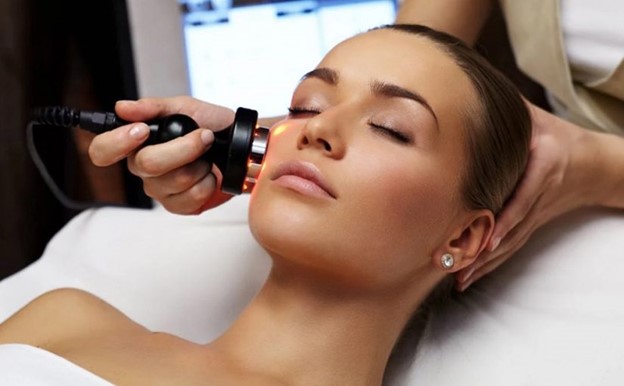
Non-ablative lasers work without removing or otherwise harming the top layers of skin, whereas ablative lasers evaporate the top layers of injured skin. As a result, no significant patient downtime relates to cosmetic operations that use only non-ablative laser technology.


Lasers can help repair fine wrinkles, discoloration, acne scars, big pores, damaged blood vessels, and age spots. Using heat, Lasers promote fibroblasts, which are progenitors to new collagen in the skin. More collagen equals firmer, younger-looking skin by plumping up the treated skin.

How Lasers Work

Lasers emit just one wavelength, implying they only release one light color. When explaining how lasers function, that’s as broad as it gets. It is a focused, one-wavelength beam of light that employs light frequency to generate heat. Because lasers can aim so much heat precisely onto a single location, they may be used to demolish and burn away undesirable conditions. The area you wish to treat with a laser must have a specific color tone. The laser will not be as effective if this is not done. As a result, it is ideal for treating various dark spots and hair removal.


Different Laser Types for Different Cosmetic Applications


• Hair Removal: This is not always successful since laser hair removal targets and burns hair follicles. As a result, it works best on those with a pale complexion and dark hair. Removing blond and white hair with less pigment is likely to be more difficult or unsuccessful. The success and safety of laser hair removal greatly rely on the pigment present in both the patient’s skin and hair.


• Tattoo Removal: Most tattoo removal specialists believe laser removal is the most effective and cost-efficient method. To remove your tattoo, you will need to undergo a series of laser treatments over several weeks or more. Lasers do not always fully erase tattoos. Instead, they soften or fade it such that it is barely apparent.


• Fine Lines and Wrinkles: A combination of skin resurfacing, and skin tightening treatments can be utilized to address lines and wrinkles, or both can be performed with a more intense ablative laser. Wrinkles can be removed using laser skin resurfacing procedures. Laser treatments can minimize the look of deep wrinkles, smooth out moderate wrinkles, and remove light wrinkles.


• Skin Tightening: Because they induce controlled damage to the skin, most cosmetic laser treatments give at least some amount of superficial tightening. Laser resurfacing can tighten skin, and it is typically more effective than other skin-tightening procedures. It reduces fine lines, wrinkles, and dark patches on the skin, such as age spots.


• Scar Removal: Ninety-five percent of acne scars have some form of discoloration. Laser therapy for acne scars concentrates light on the top layers of your skin. At the same time, the therapy stimulates the growth of new, healthy skin cells to replace scar tissue.


• Vascular Lesions: Your doctor may recommend low-level laser therapy for skin lesions. In this instance, laser therapy will increase healthy cells, which will be used to treat your lesions. The procedure also improves healing by boosting collagen formation, which can help to avoid scarring.

Hot Vs. Cold Body Sculpting: Everything You Need to Know

Body sculpting is more than a fad. Yes, it’s trendy, but only because more people are hearing about it and giving it a try. Part of the attraction is that hot and cool sculpting is perfect for those who may do their best and live a healthy lifestyle but still have stubborn areas where our bodies seem to store excess fat, which means most of us. Some of us store a little winter weight in our midsection, our thighs, or our backsides. And while that too might be trendy right now, it’s not for everyone. Neither is body sculpting, but it sure is effective.

Hot Sculpting destroys fat cells with heat from a laser, while Cool Sculpting kills fat cells by freezing them.

Don’t worry; the temperature fluctuations aren’t severe enough to harm other types of cells. Cool and warm sculpting procedures are FDA approved and entail no needles, anesthetic, or recovery time. Both can treat the same regions, and the fat cells are eliminated permanently as our lymphatic system disposes of the damaged fat cells. You’ll get your ultimate results in around three months using either method.

What is Hot Sculpting?

Hot Sculpting is a fat-reduction technique that uses laser light to heat and destroy fat cells. Each session of Hot Sculpting lasts about 25 minutes. The majority of patients find the treatment to be mostly painless. However, some complain that the hot sensation is unpleasant and causes them to sweat. After the procedure, the hot sculpting tool is removed from the treatment area, and the skin may seem red and feel warm. Patients can resume their everyday routines. Dead fat cells are gradually eliminated from the body over the next several weeks via natural detoxification processes.

What is Cool Sculpting?

Cool Sculpting is a treatment that uses hand-held suction equipment to draw fat from beneath the skin into a vacuum device. This technique focuses on tiny regions of the body to freeze persistent excess fat. The frozen fat deposits are sometimes referred to as “ice crystals.” The body normally excretes ice crystals as part of its regular activities.

The Cool Sculpting technique involves a lot of tugging and squeezing. This is due to the suction and sucking of the fat cells under the skin. Cool Sculpting might be unpleasant for people with sensitive skin or more extensive fat tissue.

Which Procedure is Best for Me?

Although hot and cool sculpting is similar, there are some critical differences to be aware of. The primary drawbacks of Cool Sculpting include uncomfortable pulling, tugging, and numbness during treatment.

Both therapies are easy to do, and they efficiently destroy excess fat. And both therapies have been approved by the FDA and are considered far safer than intrusive surgeries. And while Warm Sculpting has become the treatment of choice for individuals wishing to avoid lasers, Cool Sculpting offers the same benefits without the high-tech involvement.

Beauty Hacks to Save Time and Money

It’s tough to drag yourself out of bed in the morning and get ready for school or the office, especially if you’re not a morning person. I’m always craving those last ten minutes of warm snoozing, but I also want to look my best. What to do? Well, here are five beauty tricks that will save you valuable time and money.

·        Shower Hacks

Unless your hair is long and a bit unmanageable, you can skip the waiting time and wash off your conditioner immediately. Who’s got time for what isn’t essential, like moisturizing in the shower? I go with whatever body lotion or oil I have and give my skin a quick once over before getting out.

If you don’t have much time, wash your hair in the sink. Because your hair is usually the first thing people notice, you can skip a few daily steps if you keep your hair clean and glossy. If you’ve got a little time, here are some other quick tips to save your skin and a little cash.

·        Prep your Skin with Toner

To remove any sebum formed overnight, use a toner before applying your moisturizer. A toner will eliminate any residual dirt from your skin, allowing your moisturizer to enter more deeply. Following your toner with a brightening moisturizer will provide your complexion with the much-needed pick-me-up it requires on busy mornings.

·        Use a Tinted Moisturizer

Compared to bare skin, a natural tinted moisturizer allows the skin to relax while keeping makeup looking natural. When it comes to tinted moisturizer vs. foundation, the former will give deeper nourishment and a light texture, which is ideal when you’re rushed. You can also save time by using BB cream in the morning instead of a full face of makeup. It moisturizes, protects, and evens out skin tone.

·        Multi-Purpose Lipstick

Lipstick isn’t just for your lips. Most have a rich, creamy texture that is wonderful for a little reddish tint on your cheeks, and they blend easily enough to be a subtle color for your eyes. When you’re short on time, your lipstick can also serve as a long-lasting creamy rose blush on your cheeks.

·        Hairstyle on the Go

It may be tempting to dry your hair immediately after getting out of the shower in the morning. But you have to resist; by drying your hair last, you give it a chance to air dry a little, reducing drying time significantly. If you haven’t yet embraced the headband trend, I strongly advise you to do so!

Headbands can tie a whole outfit together while covering any greasy hair blunders. Another simple beauty trick is to make a loose braid of your hair before going to bed so you can wake up with wonderfully wavy hair. It’s also a good hack for skipping the wash in the morning, and the damaging hair-drying can cause to your beautiful locks!

Arizona Aesthetics Licensing Exams

Hate tests? Well, me too. It’s so intimidating and scary. I’ve always had a bit of test anxiety, so taking a test to get licensed for anything you love sounds tough! Still, the keyword there is “love,” so again, if you really want to do well, you will.

Be Prepared for Your Test

Don’t forget the most important parts of being prepared beyond the hundreds of hours you’ve spent in class at an accredited school. Those things include eating well on the days before your testing as well as getting plenty of sleep.

Other things that will let you get the sleep you need are arranging your travel to the testing site, making sure you have a backup plan, and those silly things like taking your picture ID, bringing your phone (just in case, and having some cash – think lunch later, Uber, or some other unknown!

As for those hours of training you put in, the Arizona State Board of Cosmetology expects those testing to have completed 1600 hours of Cosmetology training. Those wishing to get other specific licenses will need 750 hours for Hairstyling, 600 hours for Aesthetics, 600 hours for Nail Technology, and 350 hours for all Instructor training licenses.

The Arizona Cosmetics Aesthetics Testing Process

The Aesthetics testing consists of two parts, a written test with approximately 100 questions and a practical test to show off your skills. The written portion takes about an hour. As for the practical, time depends on how many students take the test with you. This can vary depending on how many students take the test with you. Plan for three hours.

The practical part takes longer because you are using your skills in front of the testing group. You’ll need to bring your State Board kit with everything needed. This can change from time to time, so check at the official Arizona State site to ensure you have what’s necessary.

The written part will test your overall knowledge of Aesthetics. No notes or books are allowed – and it is administered on a computer. Don’t worry; it goes fast if you know the subject fairly well.

Being prepared is essential, so keep in mind that schools like IMAj Institute offer Examination Preparation courses. At IMAj, their course is 32-hours of hands-on training for students who may have trained in another state, at another school, or who need to refresh before taking the state tests.

Of course, if you attend IMAj Institute they will spend the last two weeks before graduation helping you prepare for the state boards and you’ll be so ready!

What Arizona Requires to Test

Step one: You must apply for your examinations, so go to Virtual Inc. (PCS) and register (no fee). Then choose Arizona and continue your application. There is a $177 fee for both the written and practical portions. If your application is in order, you’ll receive authorization to test. The official admission notice for the practical part will be emailed to you about two weeks before your exam date.

Step two: Go to the Arizona State Board of Cosmetology website and submit your application. You’ll need a 2×2 Passport photo, a certificate of graduation on your school’s letterhead, proof of lawful presence in the US, proof of age (16 years with HS diploma or 18 and older).

Once those are uploaded and accepted, you get to pay the non-refundable $60 fee. Afterward, the Board will notify Virtual Inc. (PCS), who will schedule your exams with you.

Notes:

  • Use your full legal name as it appears on your state/government ID
  • Make sure you do both steps one and two, or you won’t get an exam date
  • You’ll get your admission to test (written) 2 business days after Board approval
  • You’ll get your admission time for the practical portion 2-5 days after approval
  • Practicals can’t be rescheduled. You’ll have to pay a new fee if you can’t attend

You’ll get your final scores and your license in about two weeks if everything goes well. When that happens, the world’s your oyster. Go be a success!

Chemical Peels for that Added Glow

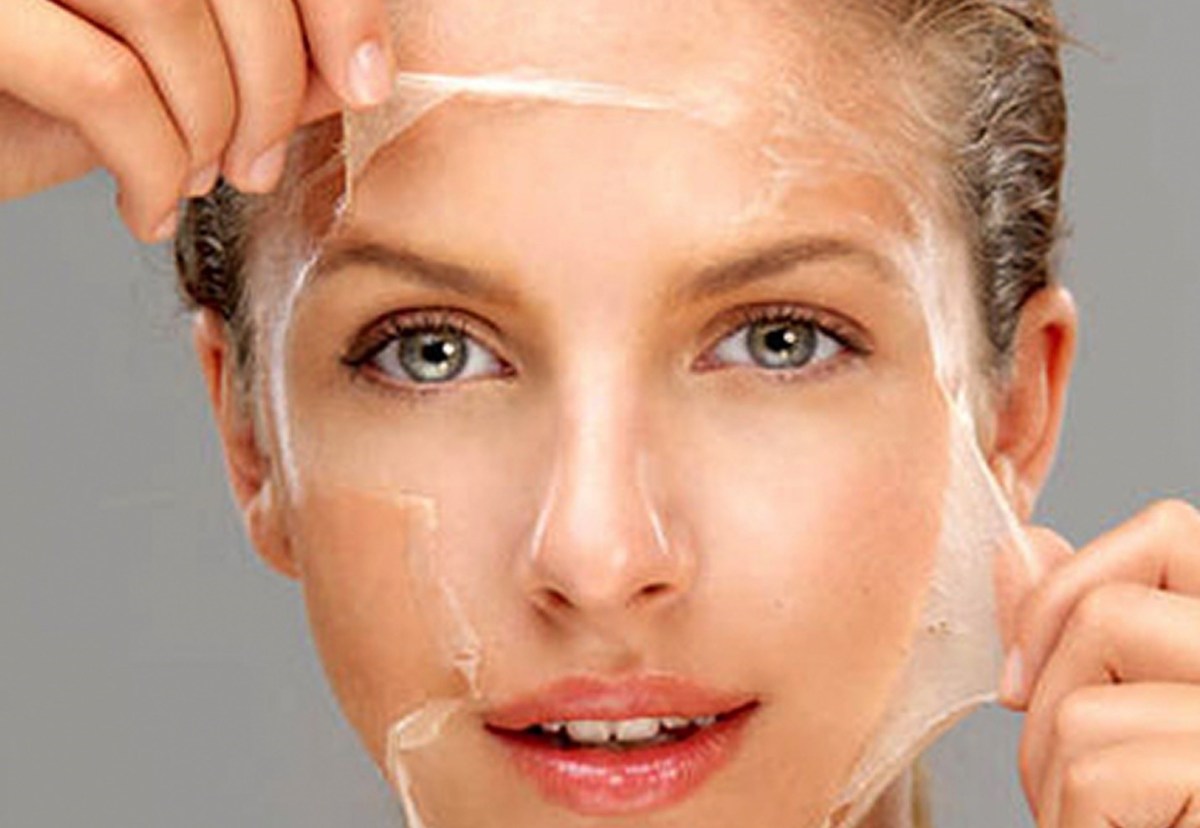
A chemical peel works by applying a chemical solution to the skin under treatment and then removing the top dead layers. The regenerated/new skin is cleaner and more even toned. You’ll probably have to repeat the process with a light or medium peel to achieve desired effects.

Chemical peels are offered at Medical Esthetics programs and rejuvenation spas to remove wrinkles, discoloration, and marks from the skin as well as helping to enhance the texture of the skin. A chemical solvent is added to the skin, causing it to “blister” and gradually peel off. In most cases, the new skin is cleaner and less wrinkled than the old skin.

Treatments can also reduce the appearance of dark spots. Chemical peels lighten black spots by removing the skin pigment melanin.

Best Effects of a Chemical Peel

  • Acme scars and blemishes
  • Wrinkles and fine line
  • Discoloration and uneven skin tone
  • Improve skin elasticity
  • Reduce dark spot and eye bags
  • Helps with cells/skin regeneration
  • Improve skin texture and adds a healthy glow

Types of Chemical Peels

  1. Light:  Light chemicals remove the outermost layer of the skin. To exfoliate softly, they use mild acids like alpha-hydroxy. It penetrates only the skin’s top layer and helps fight acne scars, wrinkles, fine lines, and discoloration.
  2. Medium:  A medium chemical peel separates skin cells from the epidermis as well as the middle layer of skin. It is used in the treatment of wrinkles, acne marks, and poor skin tone. This is often done with trichloroacetic or glycolic acid to remove the middle and outer layers, increasing effectiveness in removing dead skin cells.
  3. Deep: A deep chemical peel destroys even more skin cells. These peels also use phenol or trichloroacetic acid to thoroughly penetrate the middle layer of the skin and remove dead skin cells.

Risk and Side Effects of Chemical Peels

A chemical peel can cause redness and inflammation that lasts several days. The recuperation time is longer after a medium or deep chemical peel. A chemical peel may induce a bacterial, fungal, or viral infection, such as a cold sore outbreak caused by the herpes virus, although this is rare.

Chemical peels treat acne by lowering the pH of the skin, which aids in the removal of dead skin cells, resulting in a clearer appearance and fewer clogged pores. Peels can help other ingredients to penetrate better since they strip the top layer of skin.

Your skin condition determines the durability of a chemical peel. Light to medium peels can last one to two months. Consult a professional if you want to see more visible and lasting effects. You may have to take a few days off work to heal. It takes 5 to 7 days for the skin to recover to the point that you can conceal the redness caused by the peel.

Design a site like this with WordPress.com
Get started